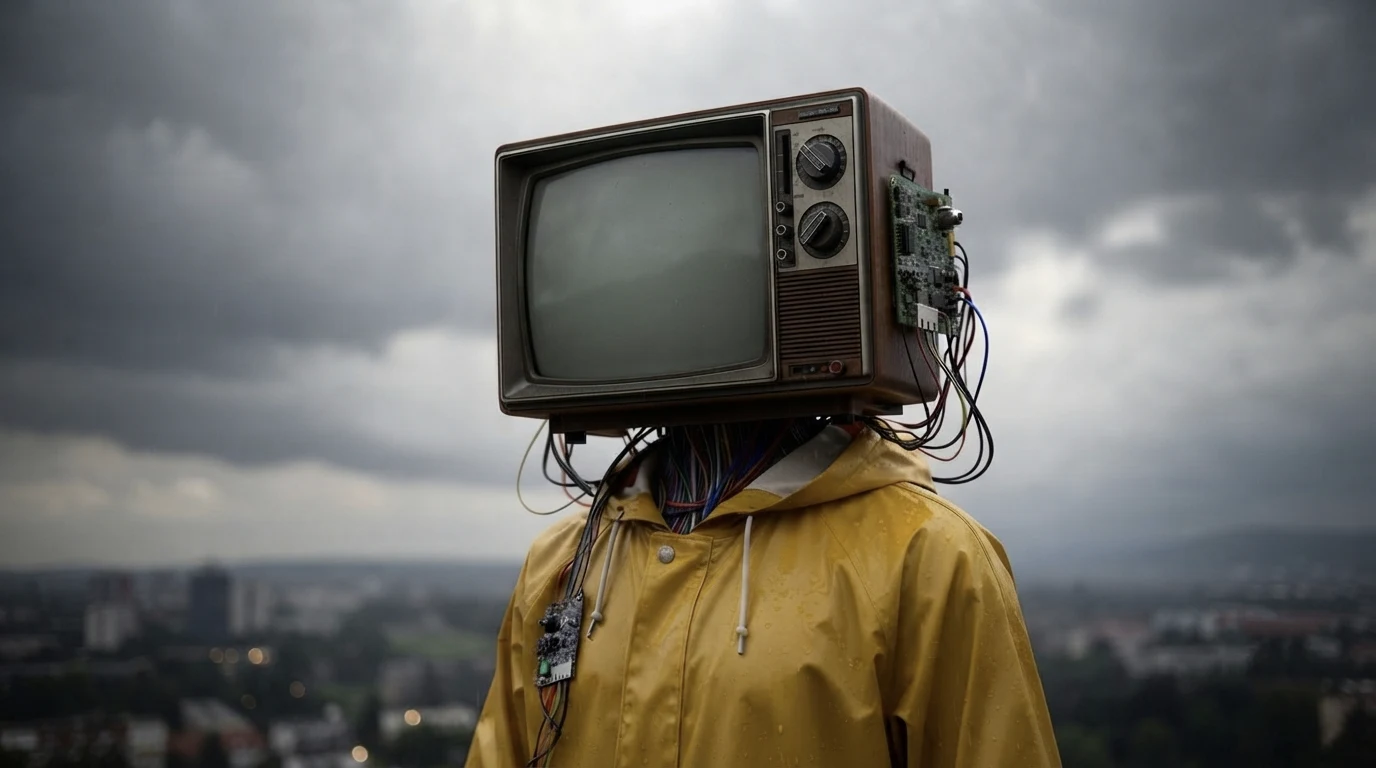
OpenAI's newest image model, live in HeyOz. GPT Image 2.5 is built for the way creative actually gets made: you generate a frame, then change one thing, then change one more, and it changes only what you asked while everything else stays exactly as it was. Sharper detail, more natural light, and generation up to 50% faster than the version before it.
Ad creative, product variants, brand faces, and layout work built with GPT Image 2.5 on HeyOz. Twenty edits deep and still the same asset, not a slowly mutating cousin of it.
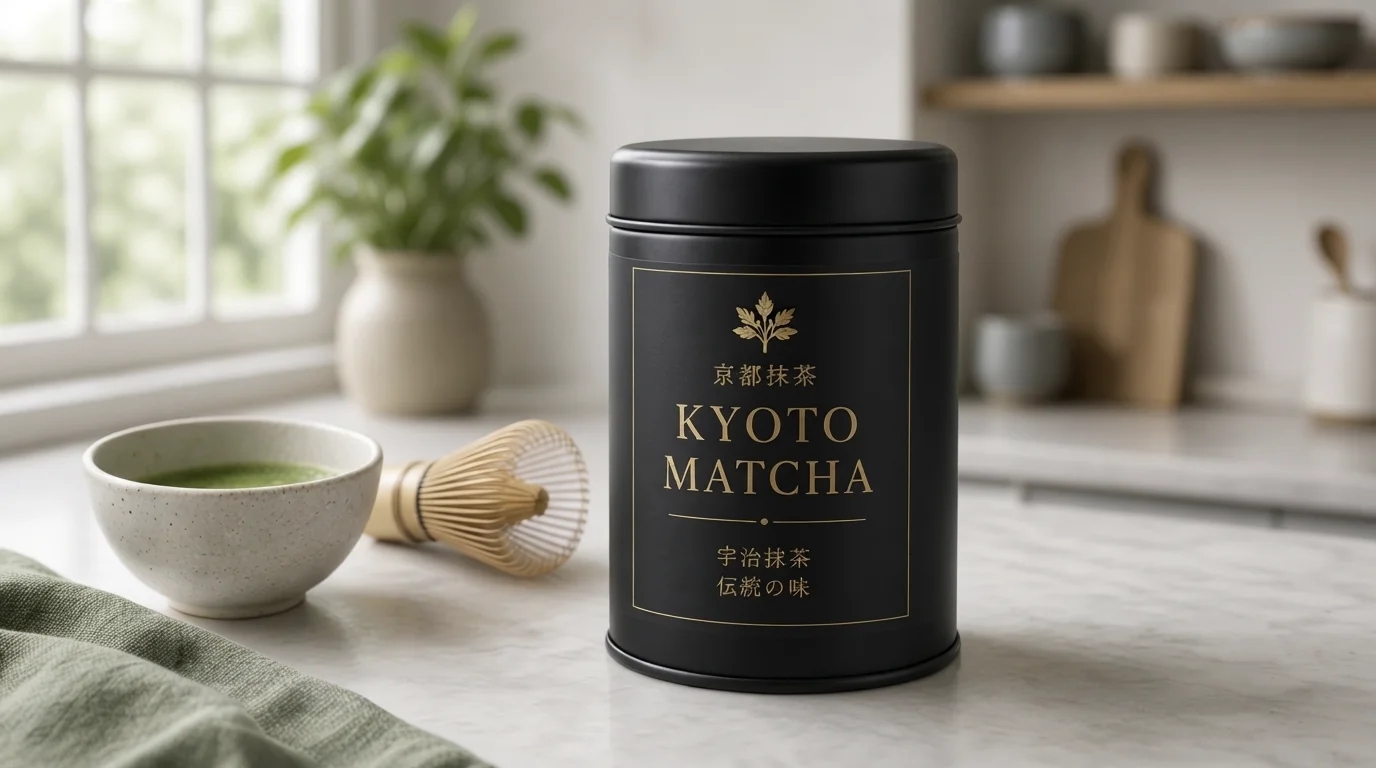
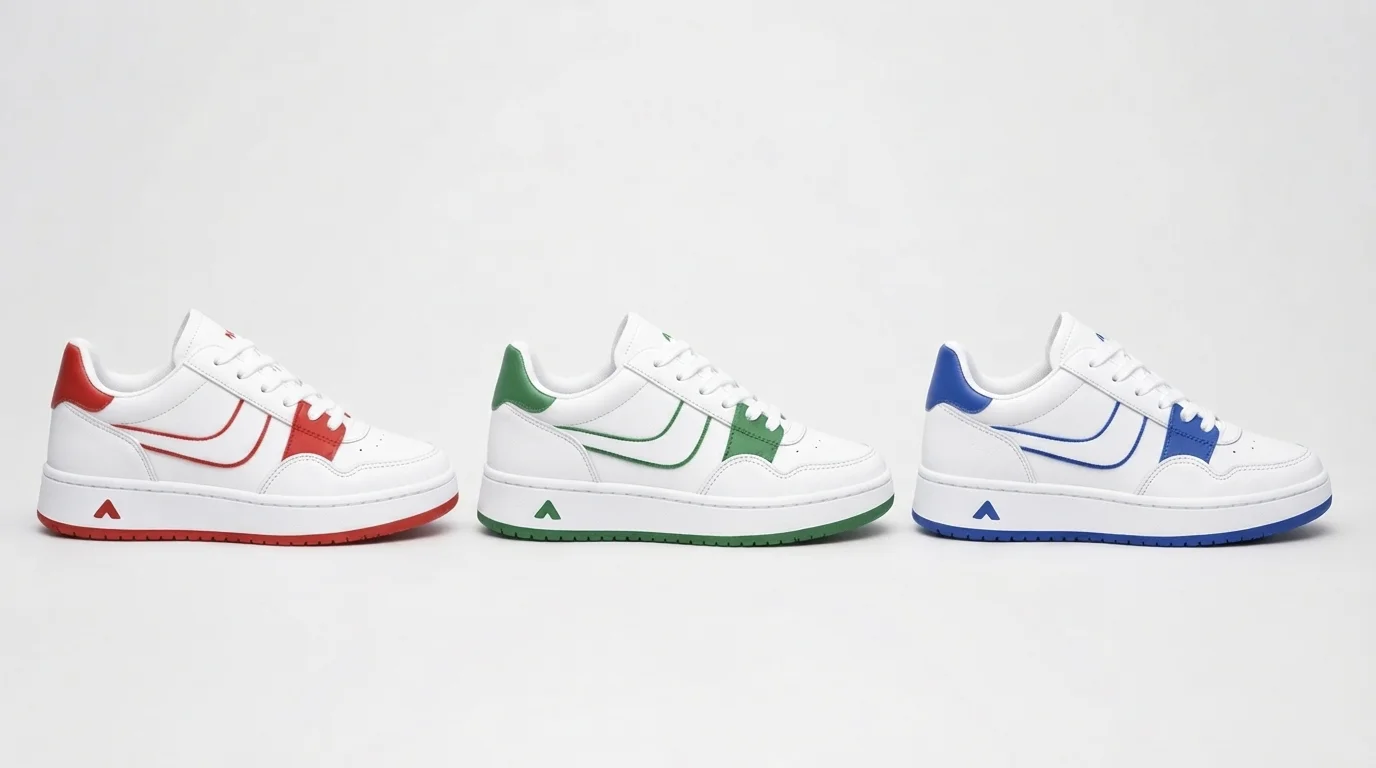
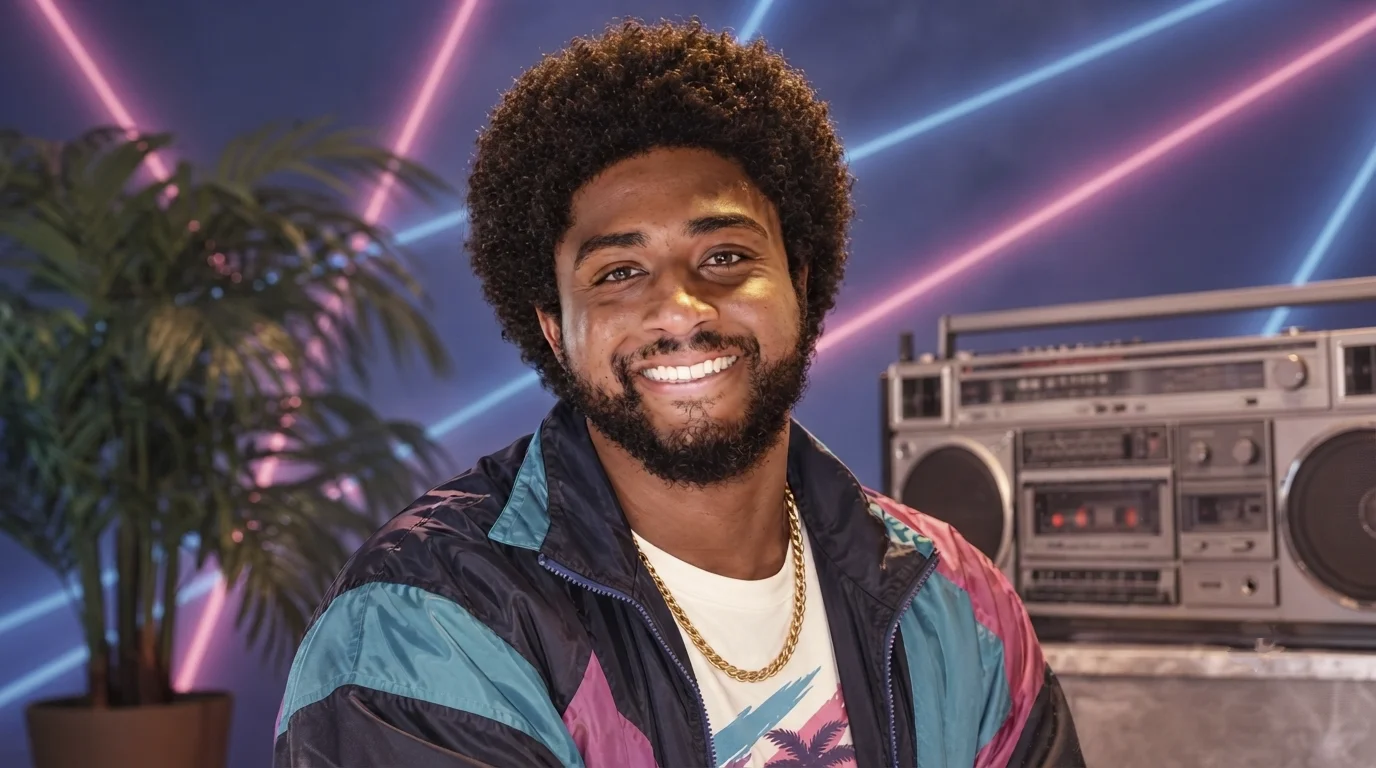
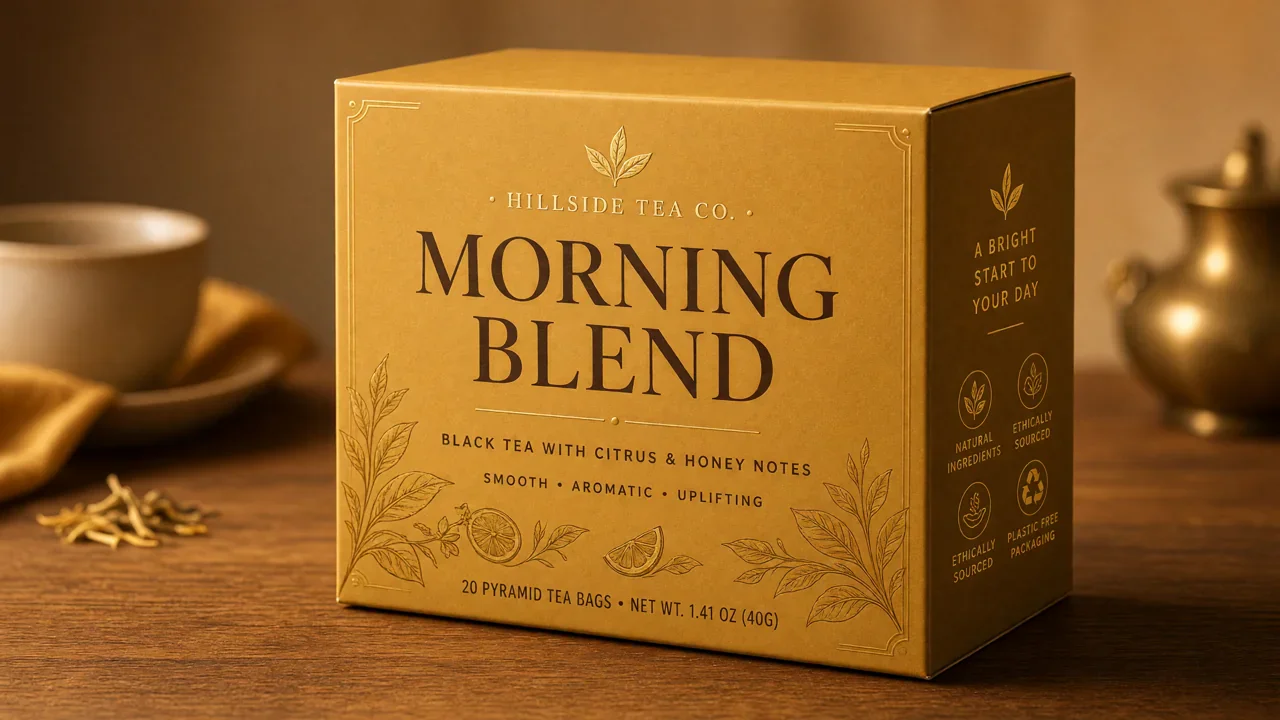
Generate, then refine. Three steps and no starting over.
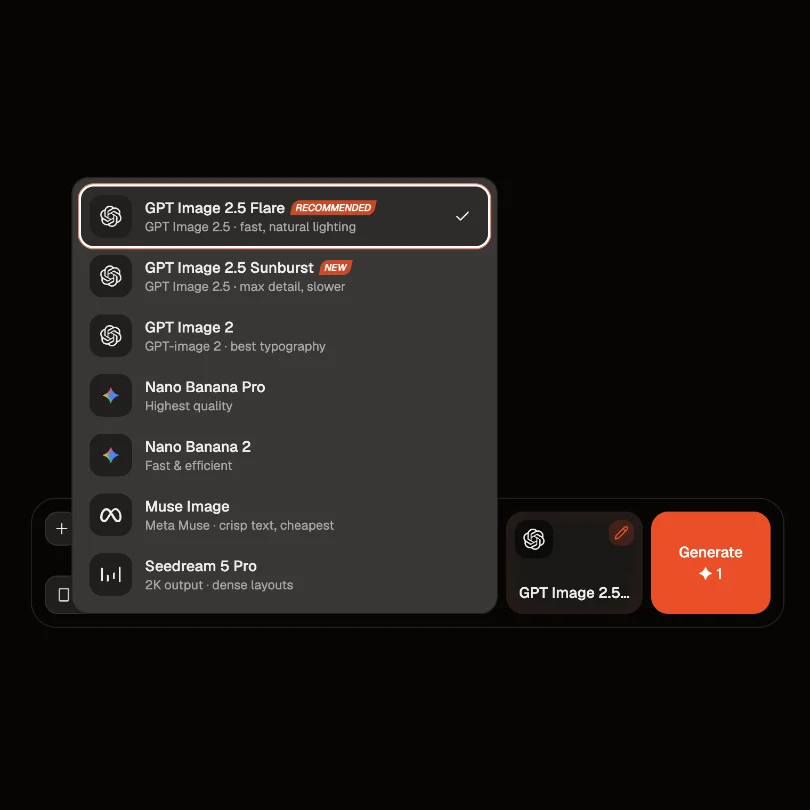
Open the Content Studio and select GPT Image 2.5, Flare for speed or Sunburst for precision. Upload what has to stay accurate: your product shots, a person's photos, a packaging flat, a brand asset. Those references are what the model anchors to.
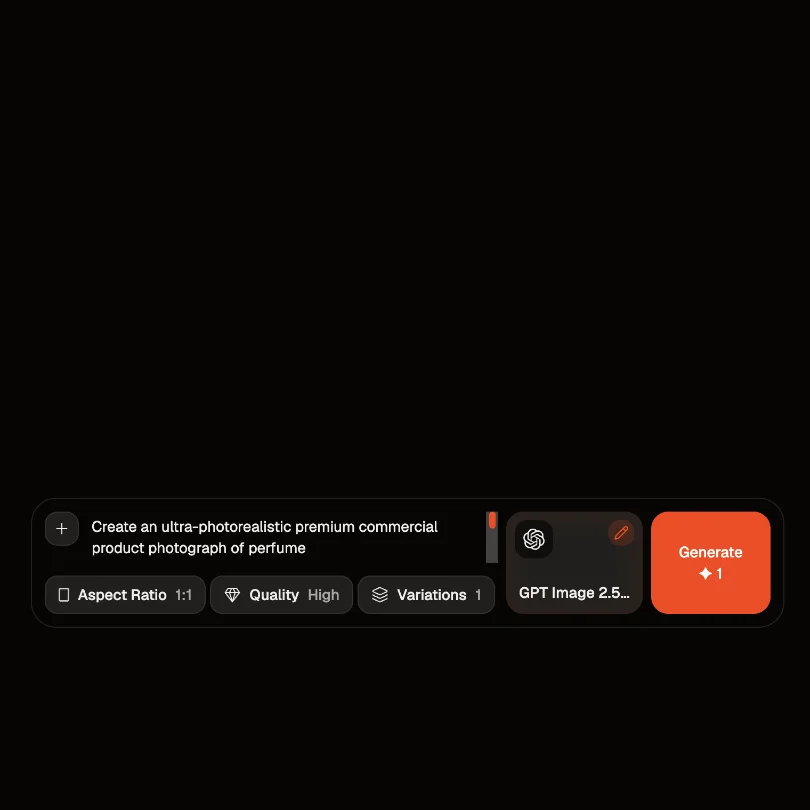
Describe the subject, the setting, the lighting, and the layout, including any copy you want rendered in the frame. GPT Image 2.5 is strong on complex visual instructions, so a structured brief holds up better here than a pile of adjectives. Ask for a transparent background if the asset is going into a layout later.

Generate, look at it, then say what to change. Move the logo, warm the light, swap the flavour, shorten the headline. Each instruction lands on its own without touching the rest, and you can keep going for as many rounds as the asset needs before you download it.
OpenAI's state-of-the-art image model, released September 2026. Its real talent is restraint: knowing what to leave alone.
Swap the product, change the background, rewrite the line of copy. GPT Image 2.5 edits the element you named and leaves the subject, the composition, and the brand treatment untouched, even when the subject and the background are complicated. Every other model quietly redraws things you never mentioned. This one does not.
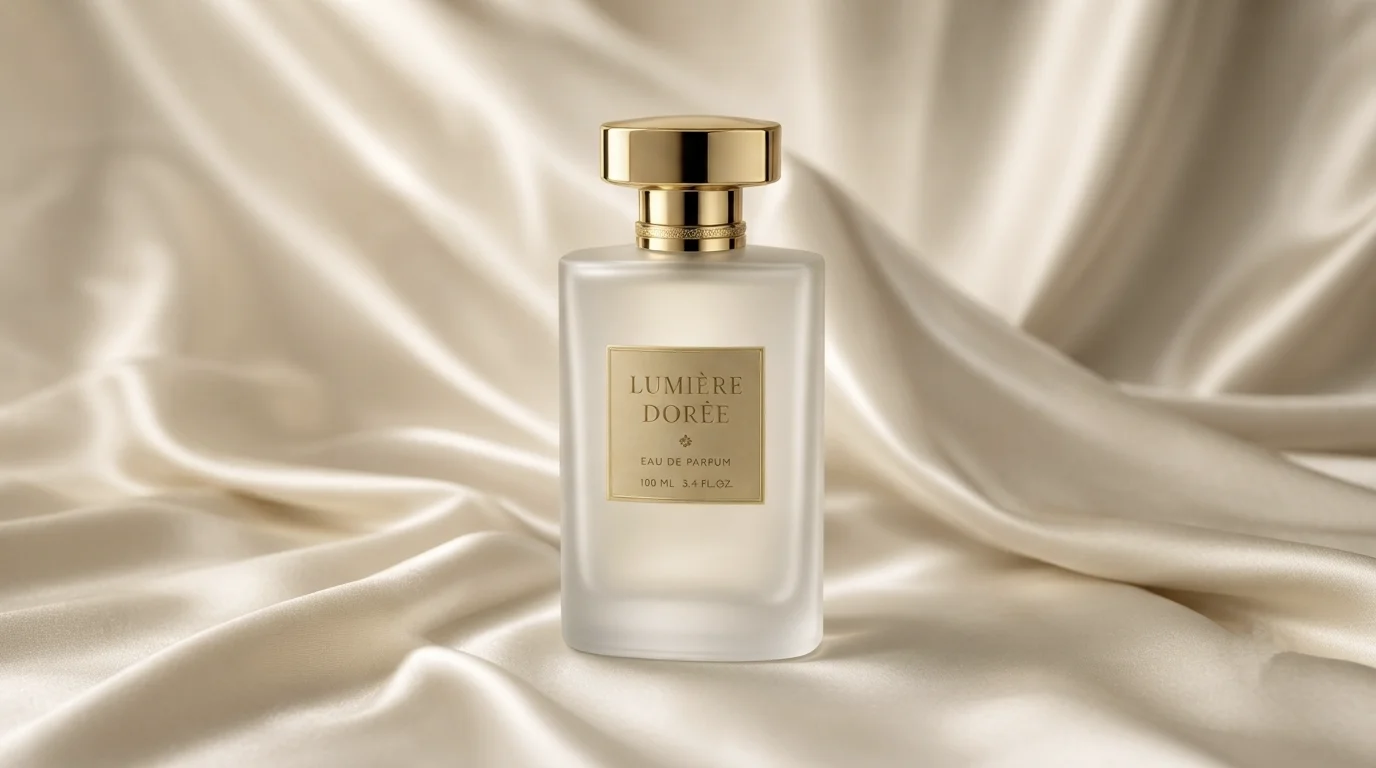
Real creative work is a long back-and-forth, and that is exactly where image models usually fall apart, softening and drifting a little more with every pass. GPT Image 2.5 holds earlier changes in place and builds each new edit on the last without degrading quality, so the twelfth revision is still the asset you approved at revision three.
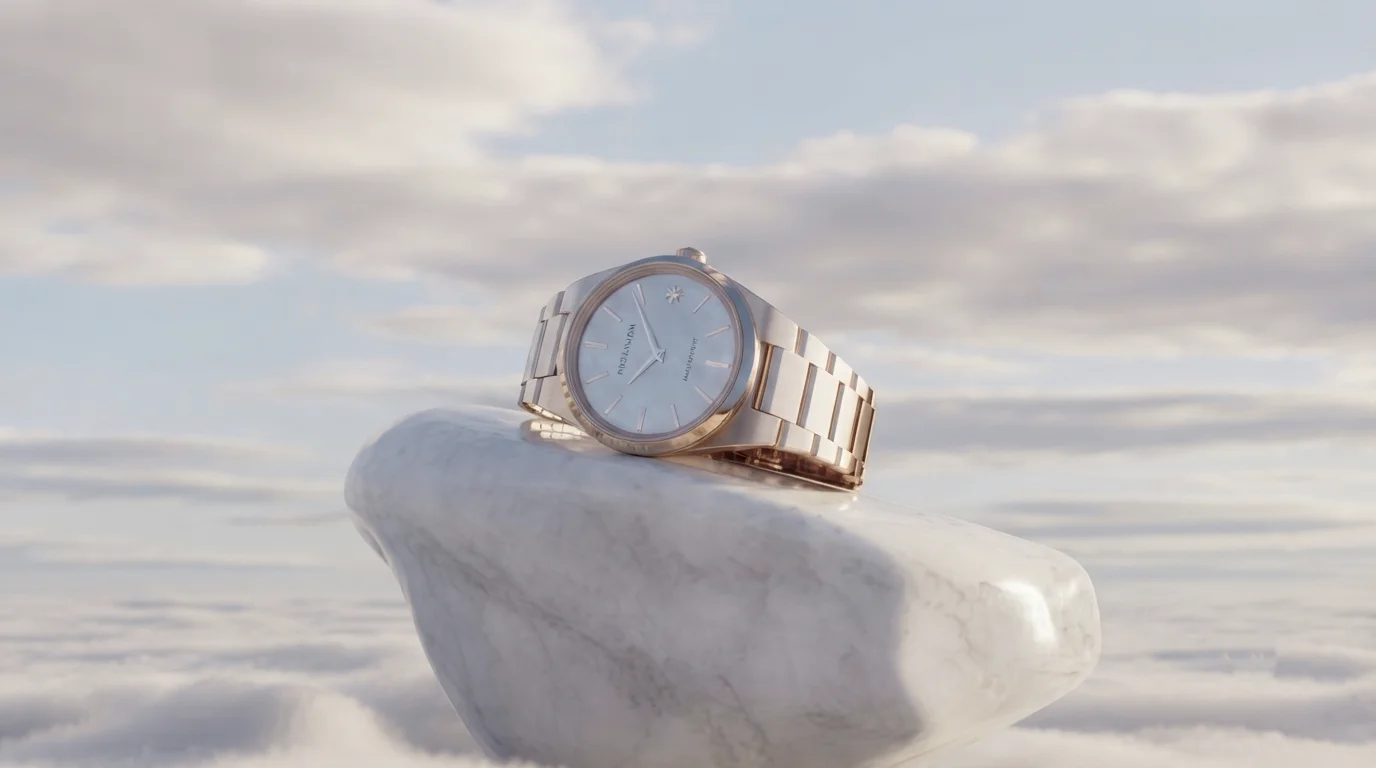
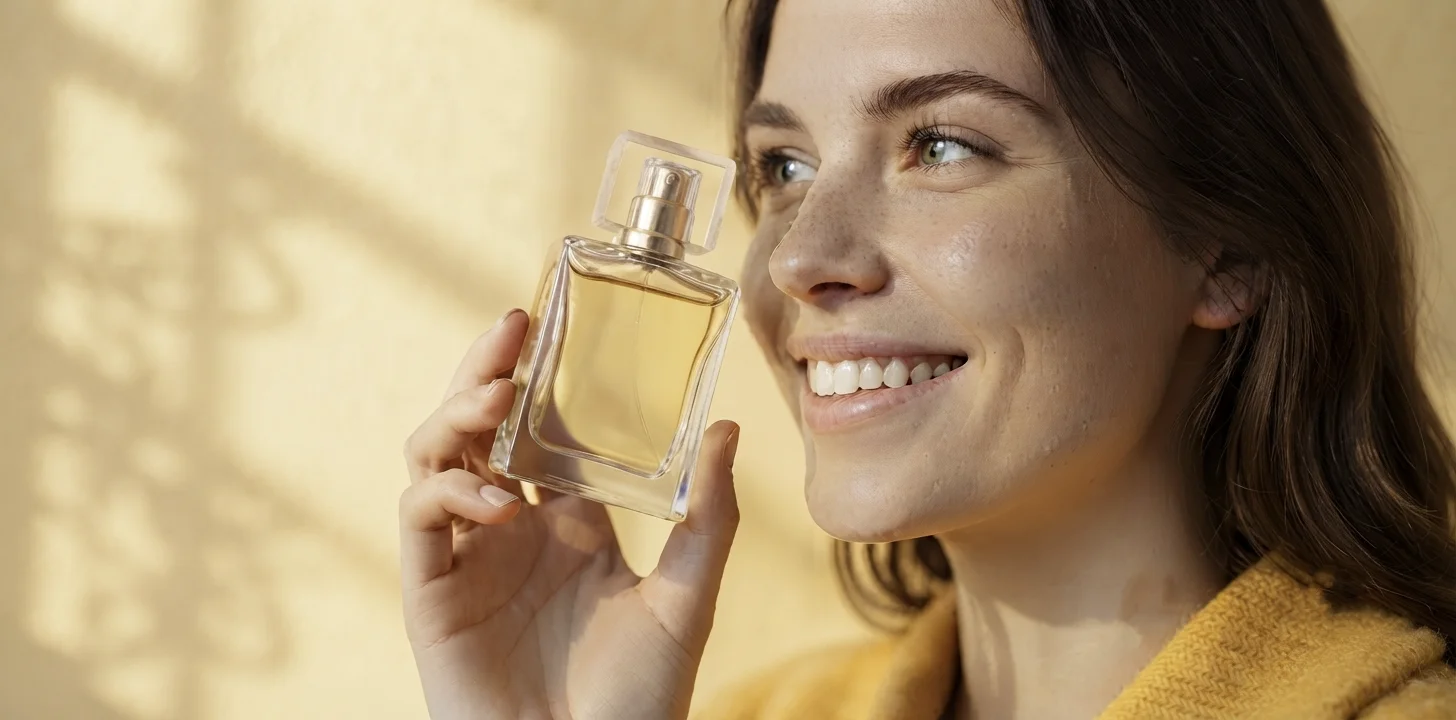
Upload reference photos and GPT Image 2.5 carries the subject into new settings, styles, and compositions with the distinctive features intact. Faces stay recognisable. Products keep their real label, finish, and proportions. Lighting and texture come back looking natural rather than rendered, which is what keeps a set of variations anchored to the original instead of drifting away from it.
The release comes in two variants and they suit different jobs. Flare is the default: better quality than GPT Image 2 at half the latency, and independently measured at two to four times the speed, which is what you want for high-volume generation and fast iteration. Sunburst trades generation time for tighter control across edits, and it is the one to reach for on production campaign creative and polished product imagery.
One model for the creative your brand actually needs.
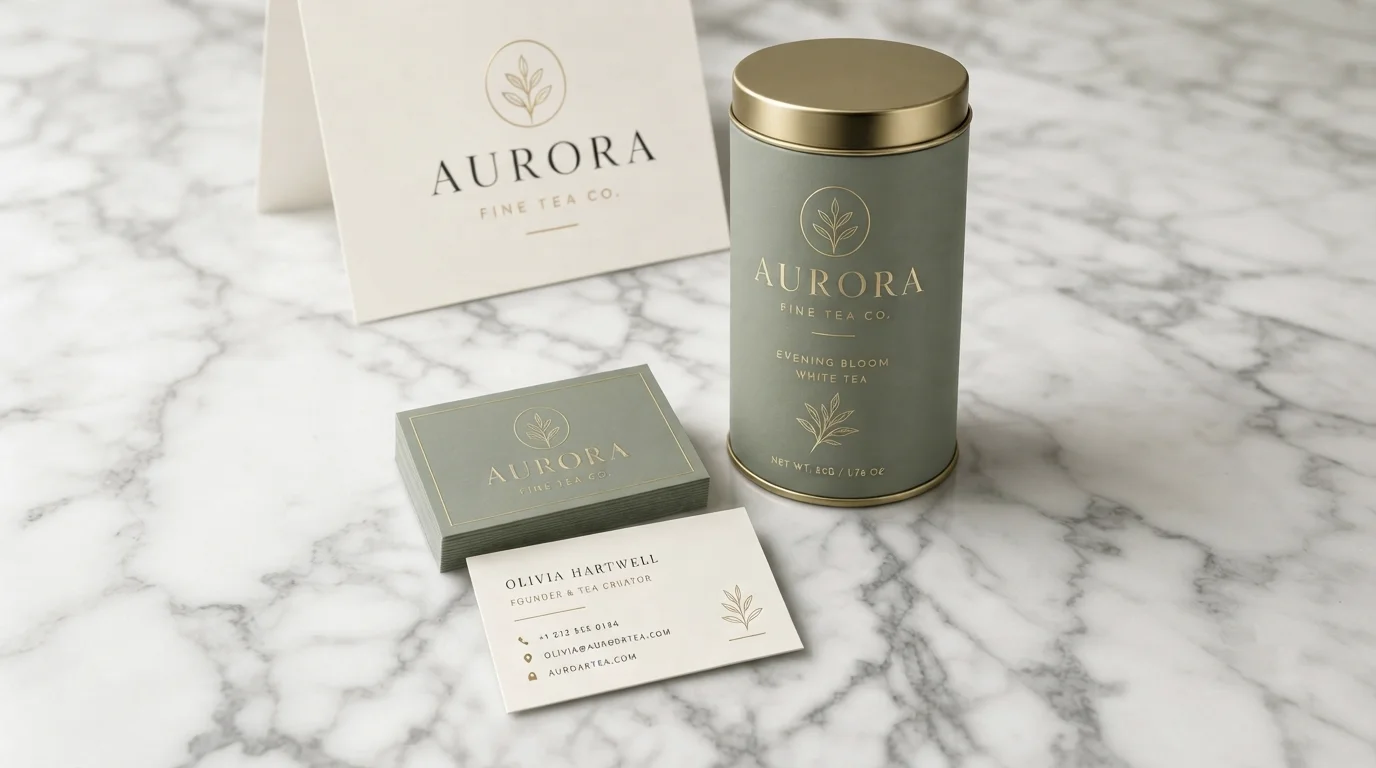
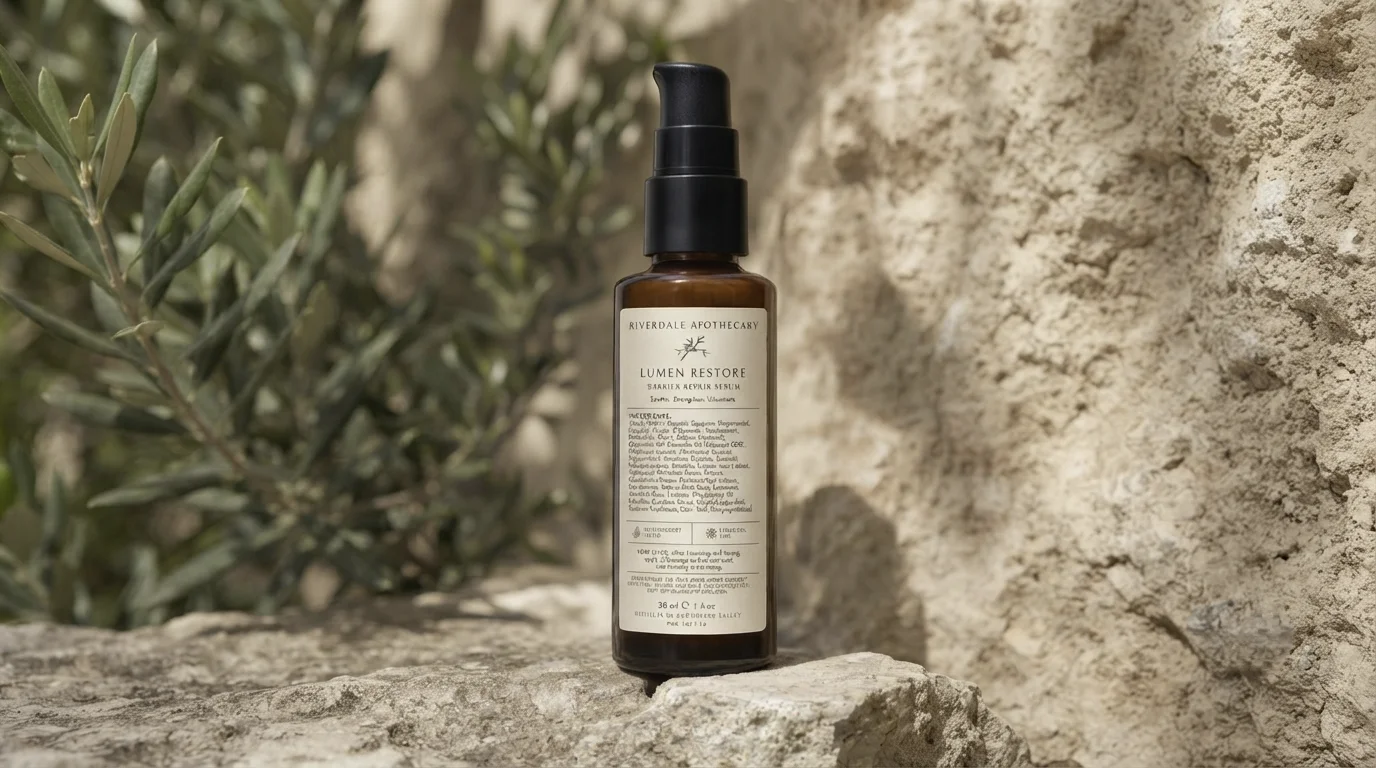
One product photo becomes a full shoot. Put the same item on a marble counter, in a summer picnic scene, and on a clean studio sweep, and it stays the same item throughout, with the real label and the real finish. For a catalogue of forty SKUs, that difference is the whole reason this is usable.
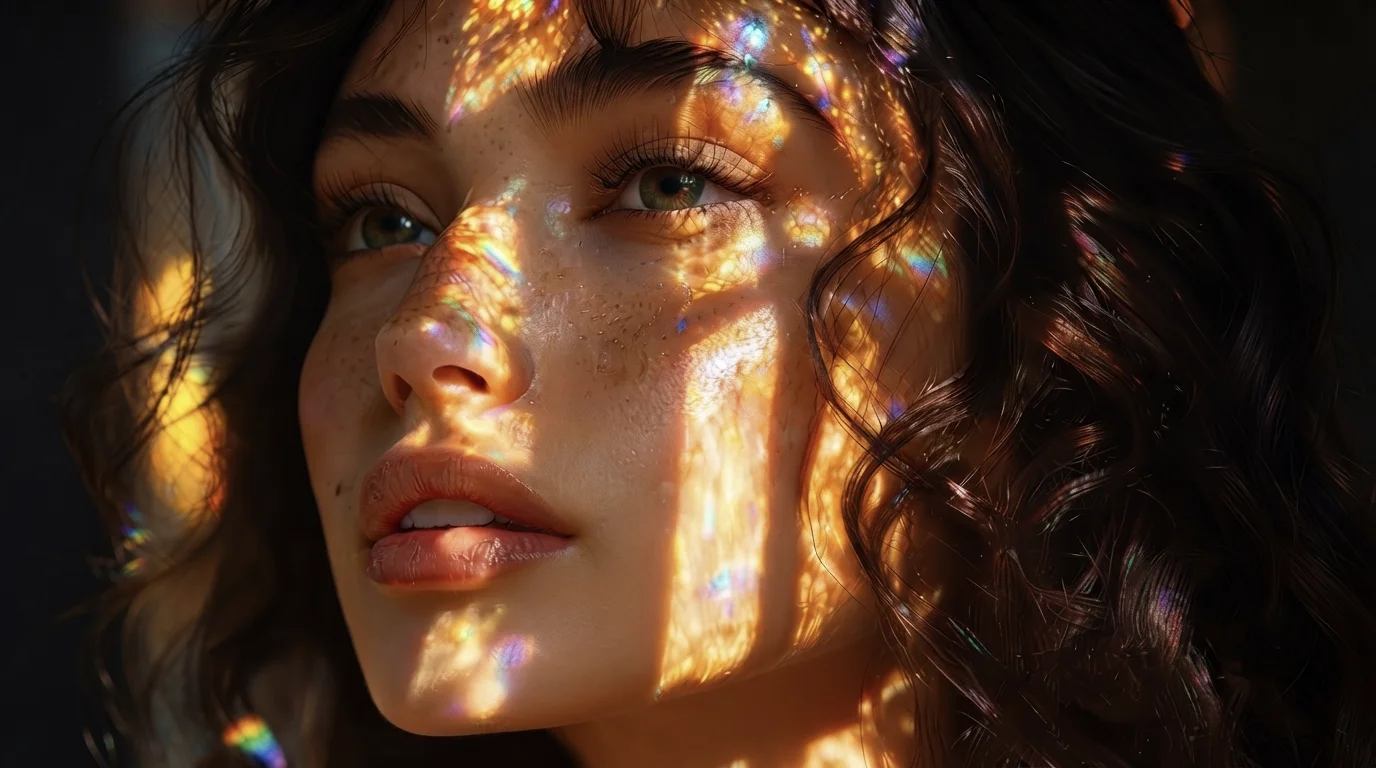
Reference a person and they stay recognisable across outfits, settings, and visual styles, with the features that make them look like themselves carried through. That makes a consistent presenter or brand character viable across a whole campaign, instead of a face that quietly becomes someone else by the fifth asset.
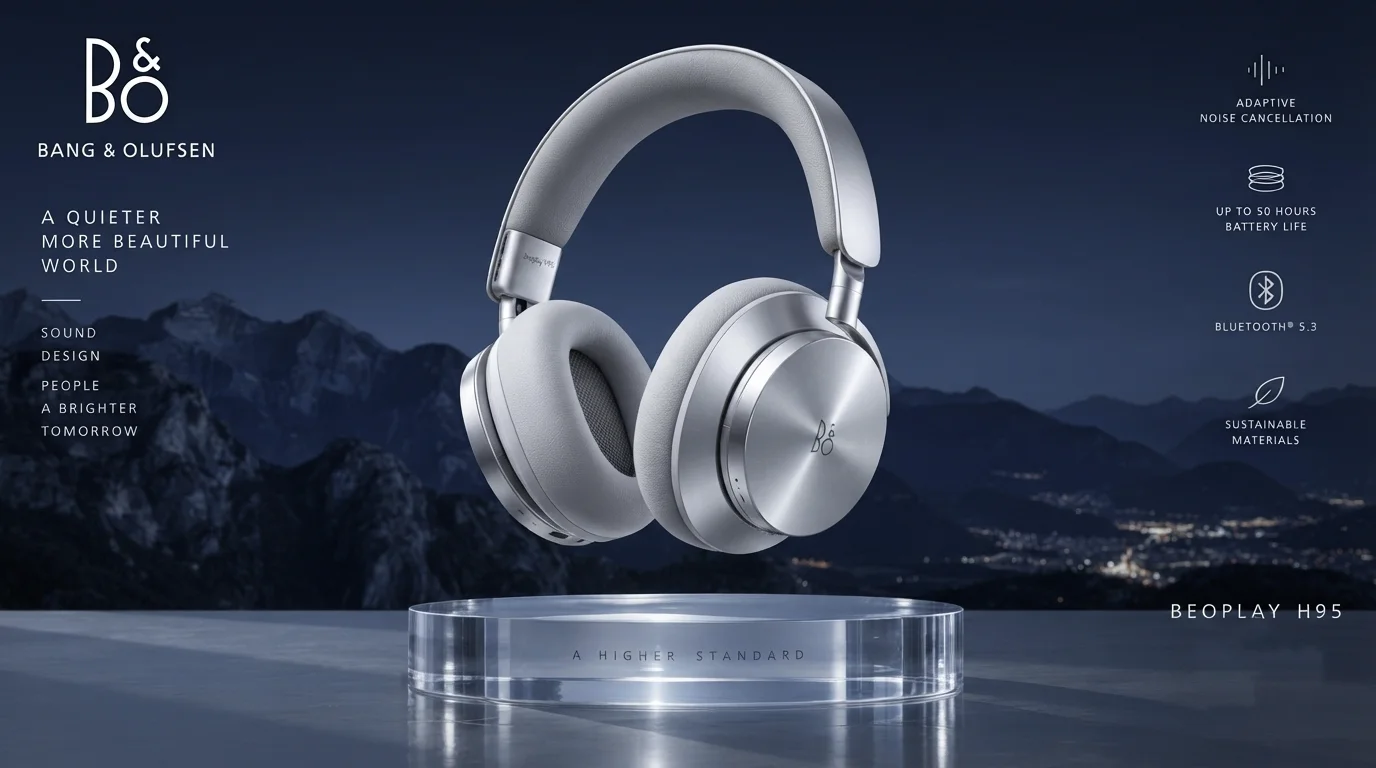
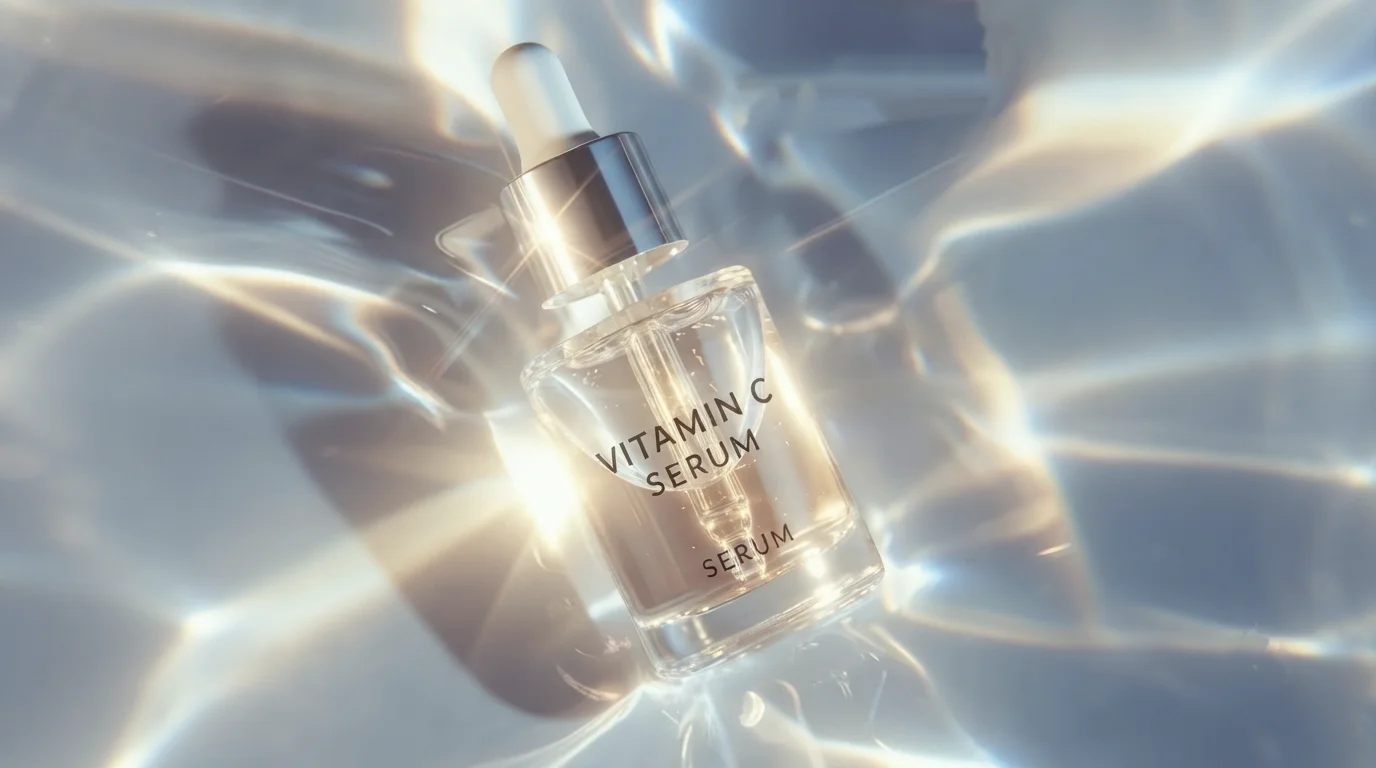
Paid social statics and display banners still carry real spend, and they need the visual and the copy working together in one frame. GPT Image 2.5 handles complex layouts, renders in-image text accurately, and supports transparent backgrounds, so an asset can drop straight into a template or a size variant without a cleanup pass.
Images that carry information are usually where these models embarrass themselves. This one is markedly better at it: real-world content comes back more accurate, and a defined structure survives, so charts, comparison graphics, presentation visuals, and interface concepts keep the hierarchy you asked for rather than inventing their own.
GPT Image 2.5 is OpenAI's newest image generation and editing model, released on 8 September 2026 and available inside HeyOz. It replaces the previous generation with sharper detail, more natural lighting and texture, better preservation of subjects from your reference photos, more reliable editing across many turns, and generation up to 50% faster.
They are two variants of the same release. Flare is the default for most work: higher quality than the previous GPT Image 2 at half the latency, and a good fit for social content, rapid prototyping, and high-volume generation. Sunburst takes longer per image and gives you tighter control across a chain of edits, which suits production campaign creative and polished product shots.
Yes, and that is its strongest capability. Upload an existing image and describe the change, and it updates only that element while keeping the subject, composition, and treatment around it intact. You can run edit after edit in the same session, and earlier changes stay put rather than being quietly undone or softened.
Yes to both. In-image copy comes back more accurate than the previous generation, and transparent backgrounds are directly supported, which makes exported assets easy to drop into templates and size variants. Images generated with OpenAI's models carry C2PA metadata and an invisible watermark, so they can be identified as AI-generated later.
Pick the right engine for the job - all in one place.
Start Now. No agency, no brief, no blank screen.