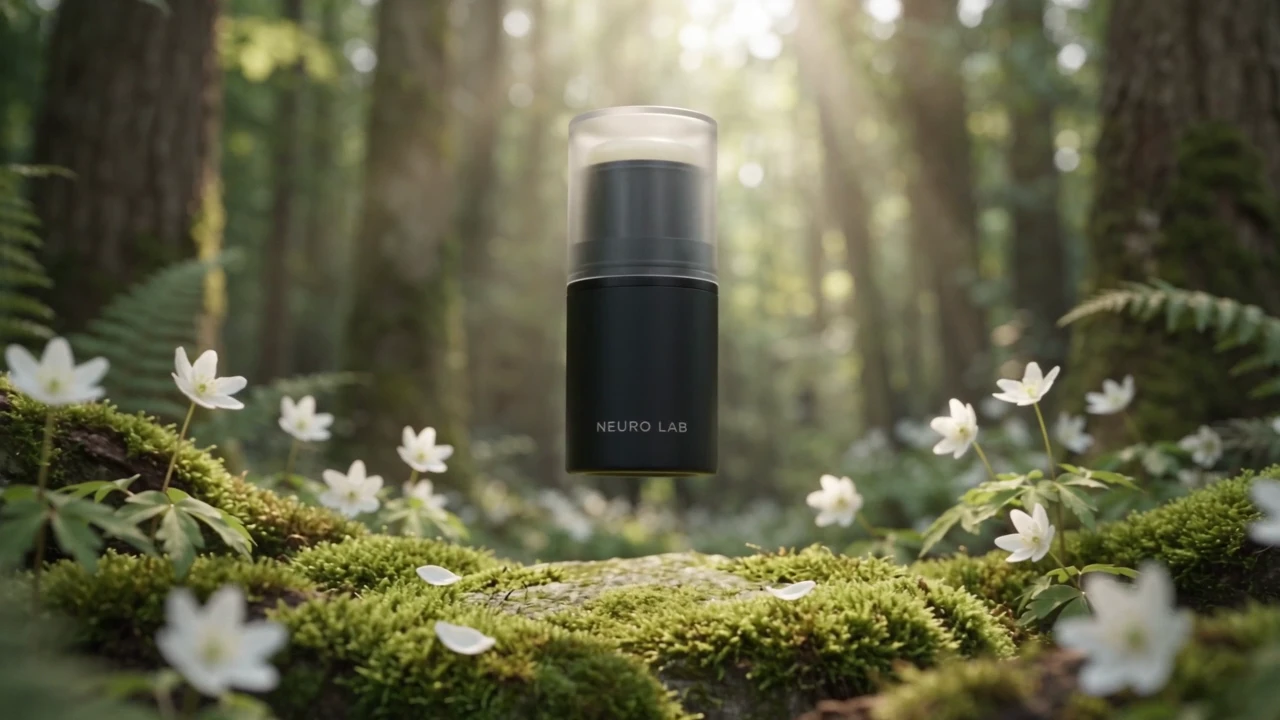
Google's Gemini 3 Pro Image model, built for the hardest prompts — legible in-image text from tagline to full paragraph, up to 5 people held consistent across a campaign, and Google Search grounding for visuals that have to be factually right. 1K and 2K output are generally available; 4K is in preview.
Posters, promo cards, product shots and infographics made with Nano Banana Pro — the kind where the headline has to be spelled right the first time.
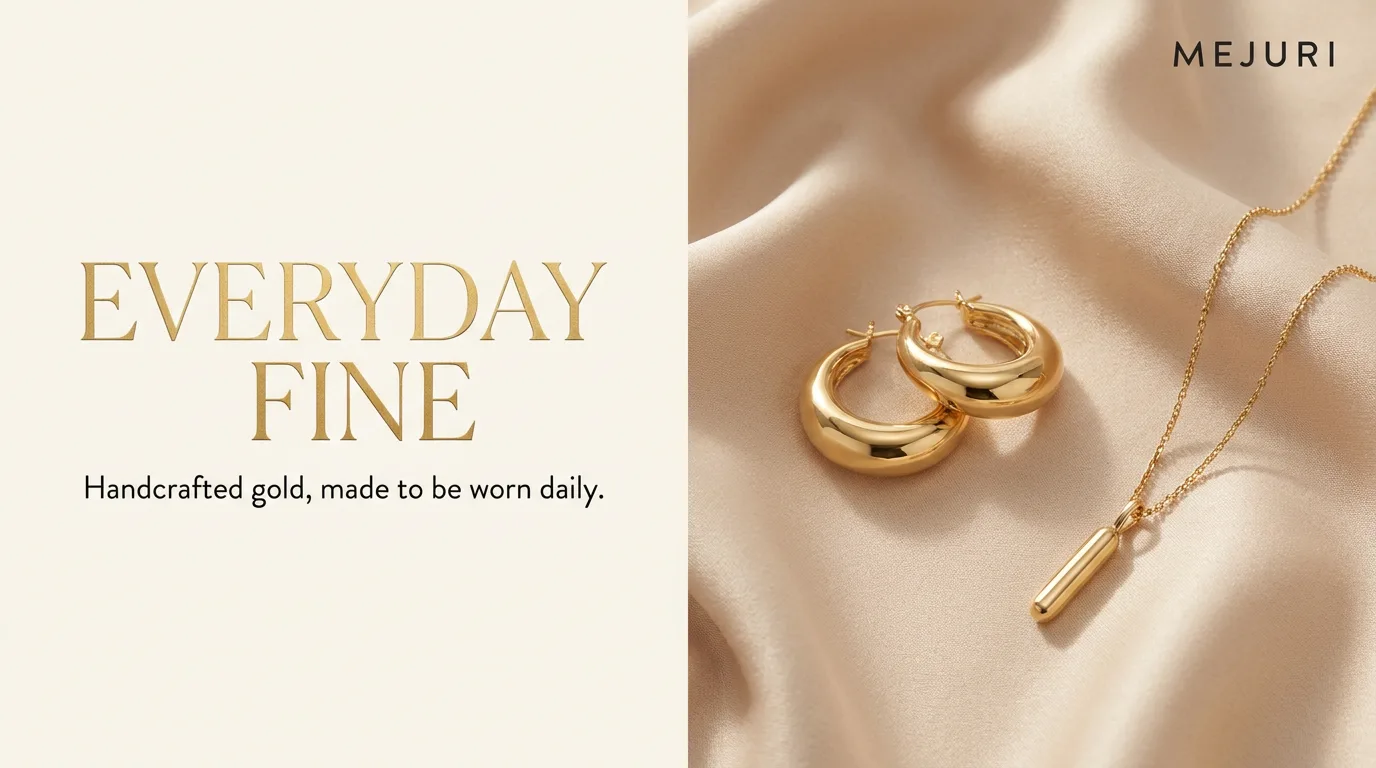
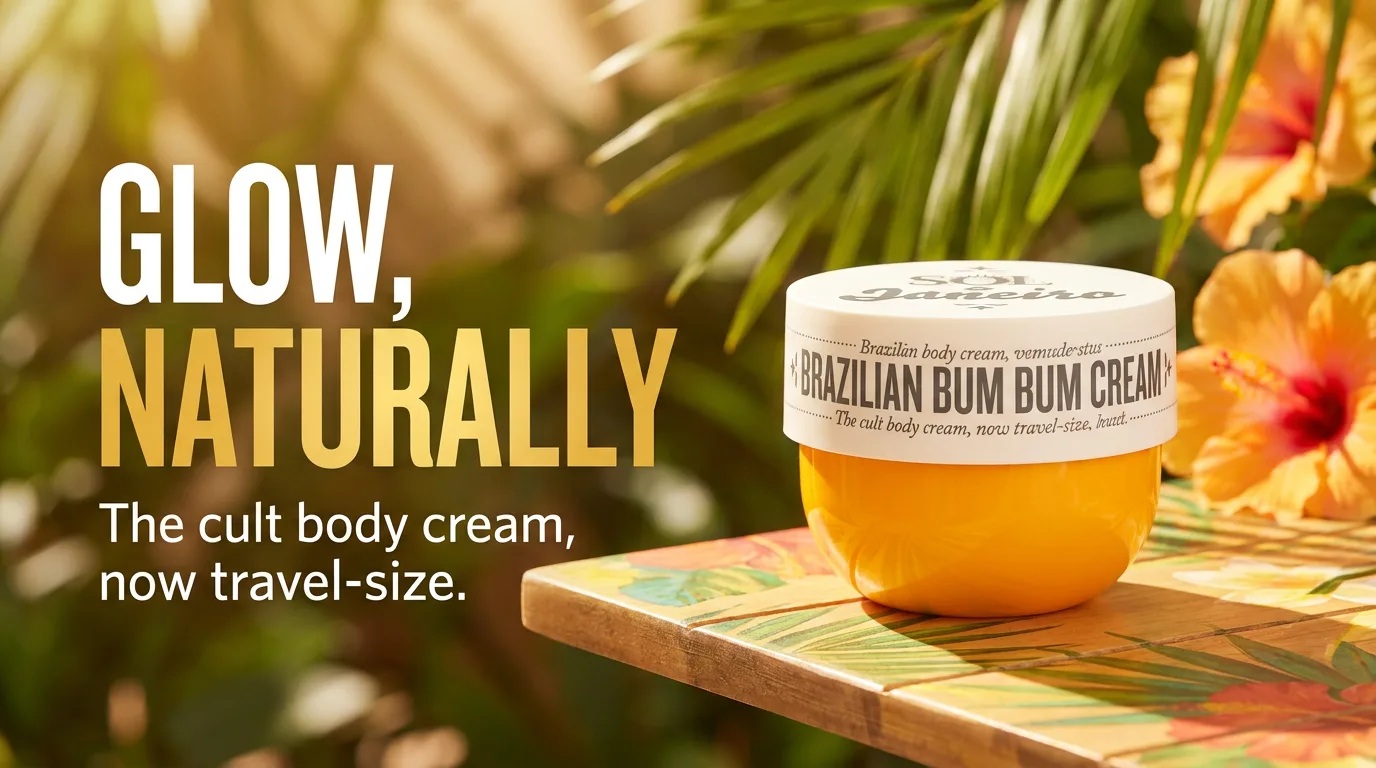
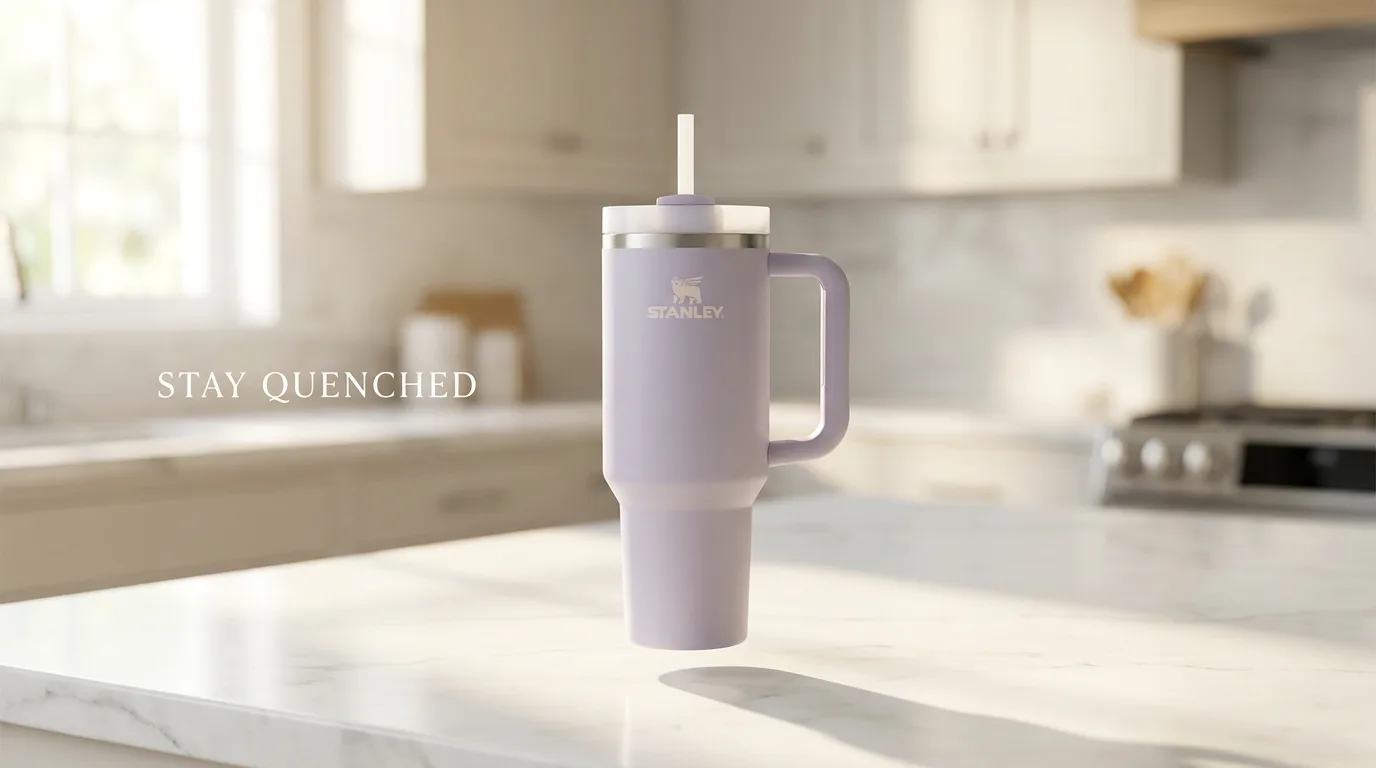
Turn a brief into a finished, text-accurate ad using Google's Nano Banana Pro in three steps.
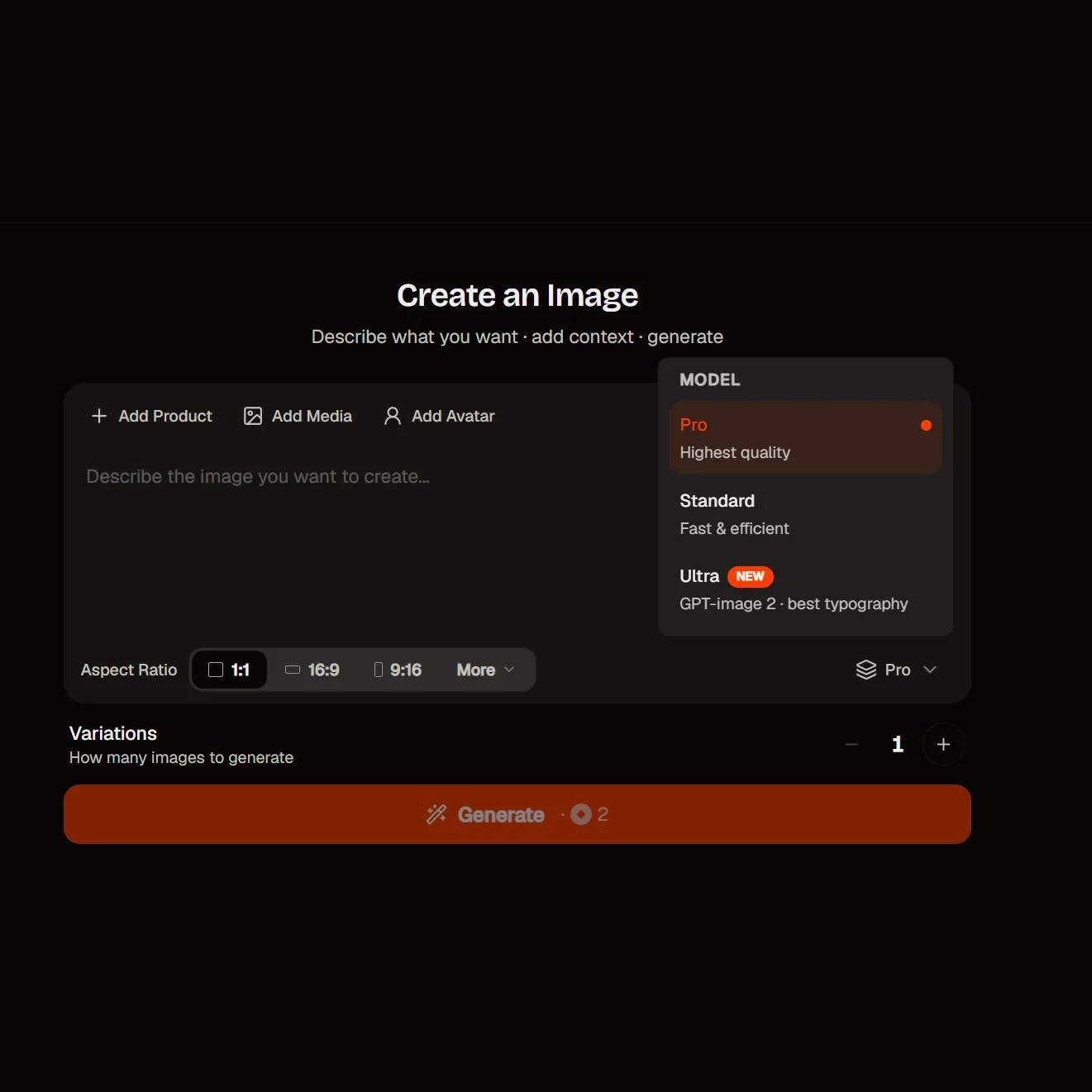
Select Nano Banana Pro as your image model. Reach for it when the prompt is layered — exact copy, several people, a real-world fact to get right.
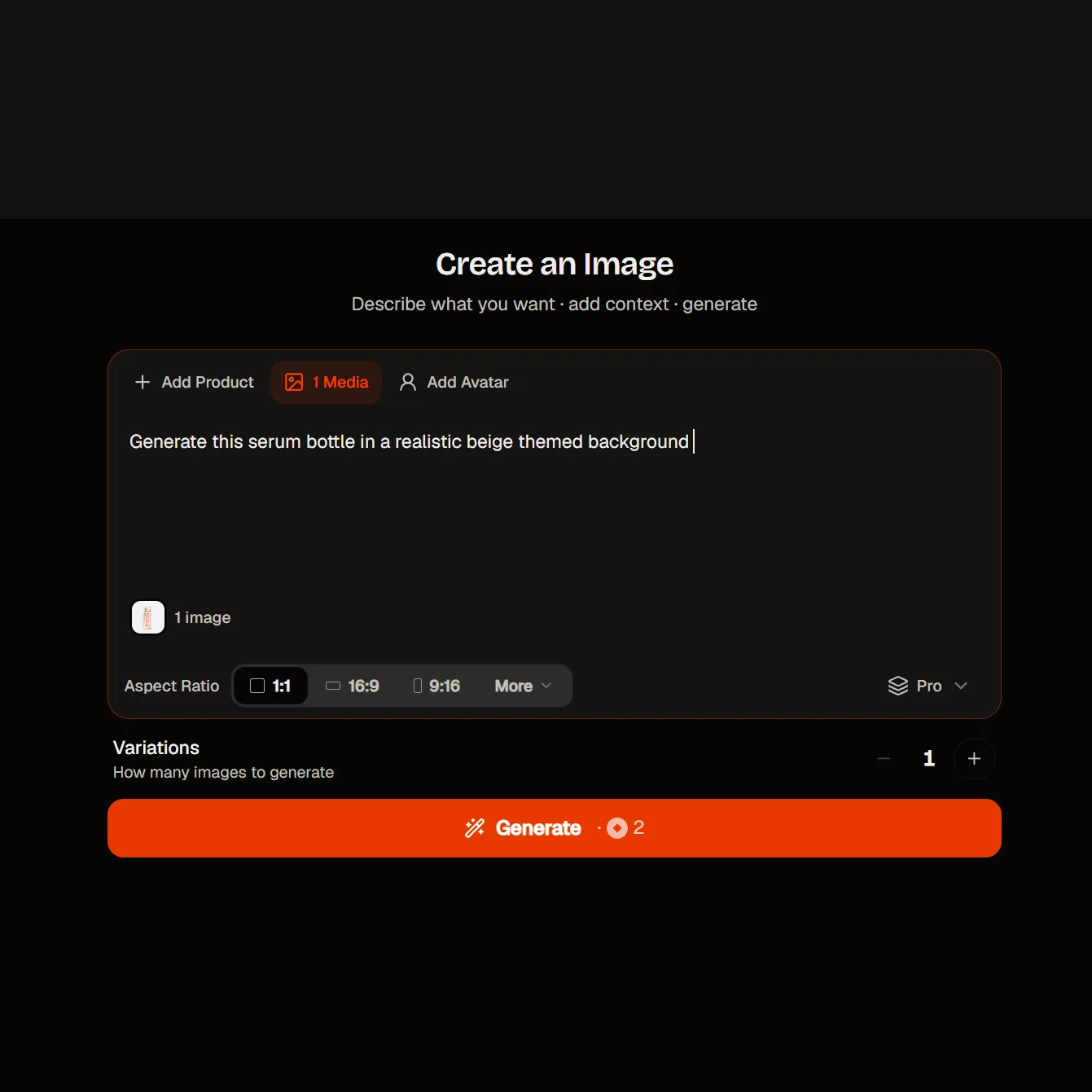
Write the brief and upload your references — product photos, logos, headshots, or a PDF. Spell your headline out inside the prompt exactly as it should appear, and name the lighting, camera angle, and aspect ratio you want.
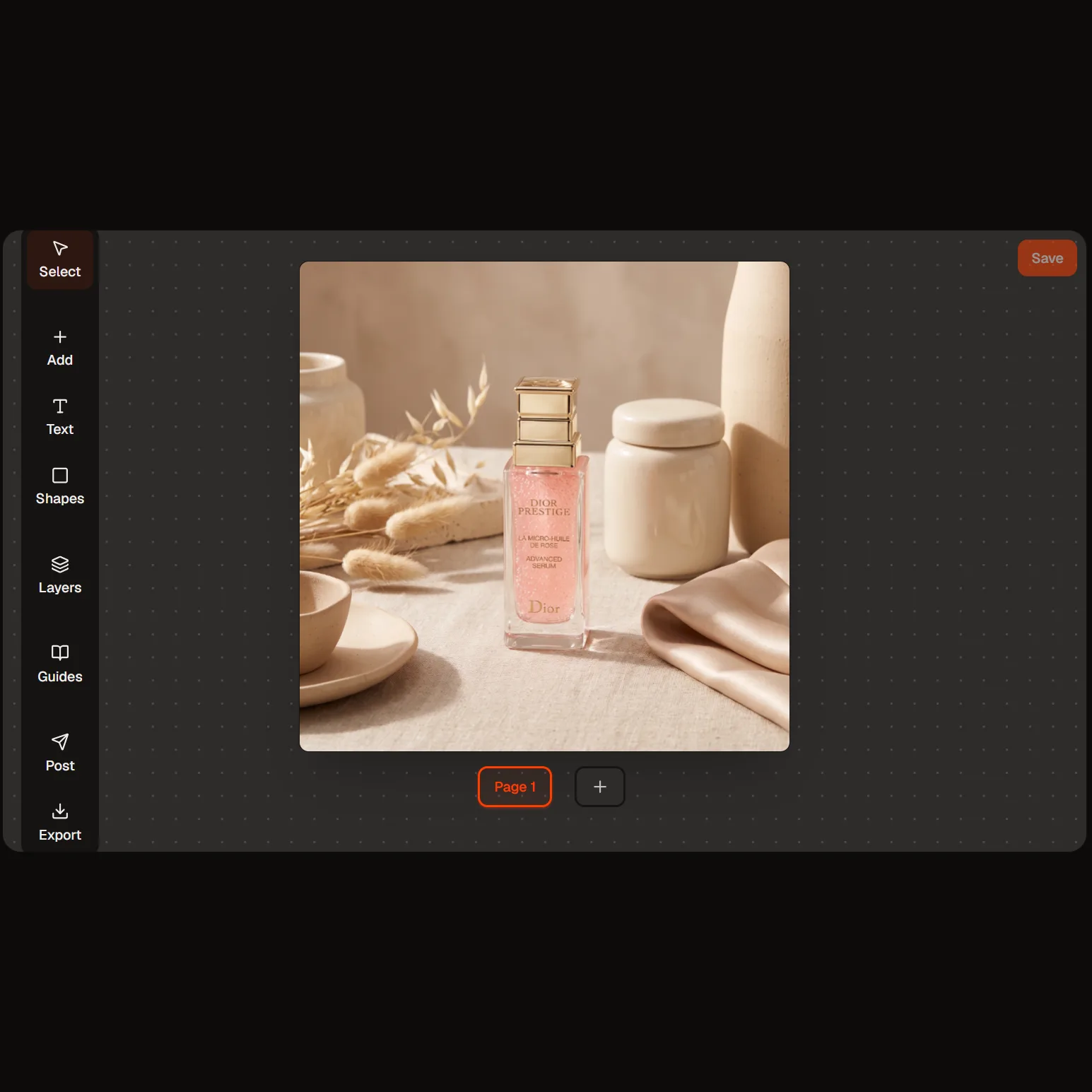
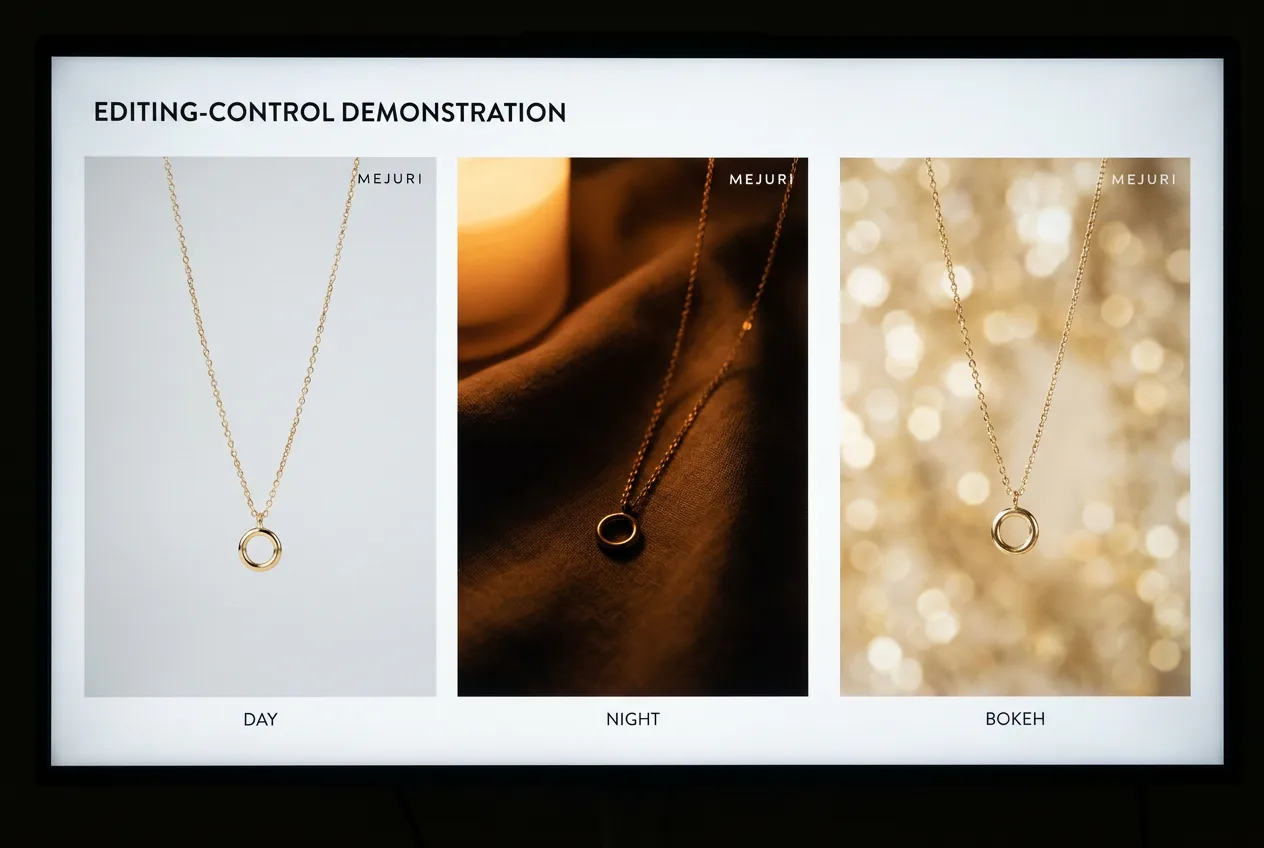
Review the result, then refine it in place. Mask a region and change just that, shift the light from day to night, regrade the colour, or pull the background into bokeh — without re-rolling the parts you already approved.
Nano Banana Pro on HeyOz is the tier you use when a prompt has too many conditions for a fast model to juggle. Google positions it for highly complex, multi-layered prompts and extreme logical requirements — text that has to read correctly, faces that have to stay the same, facts that have to check out, and edits that have to land on one region and leave the rest alone.
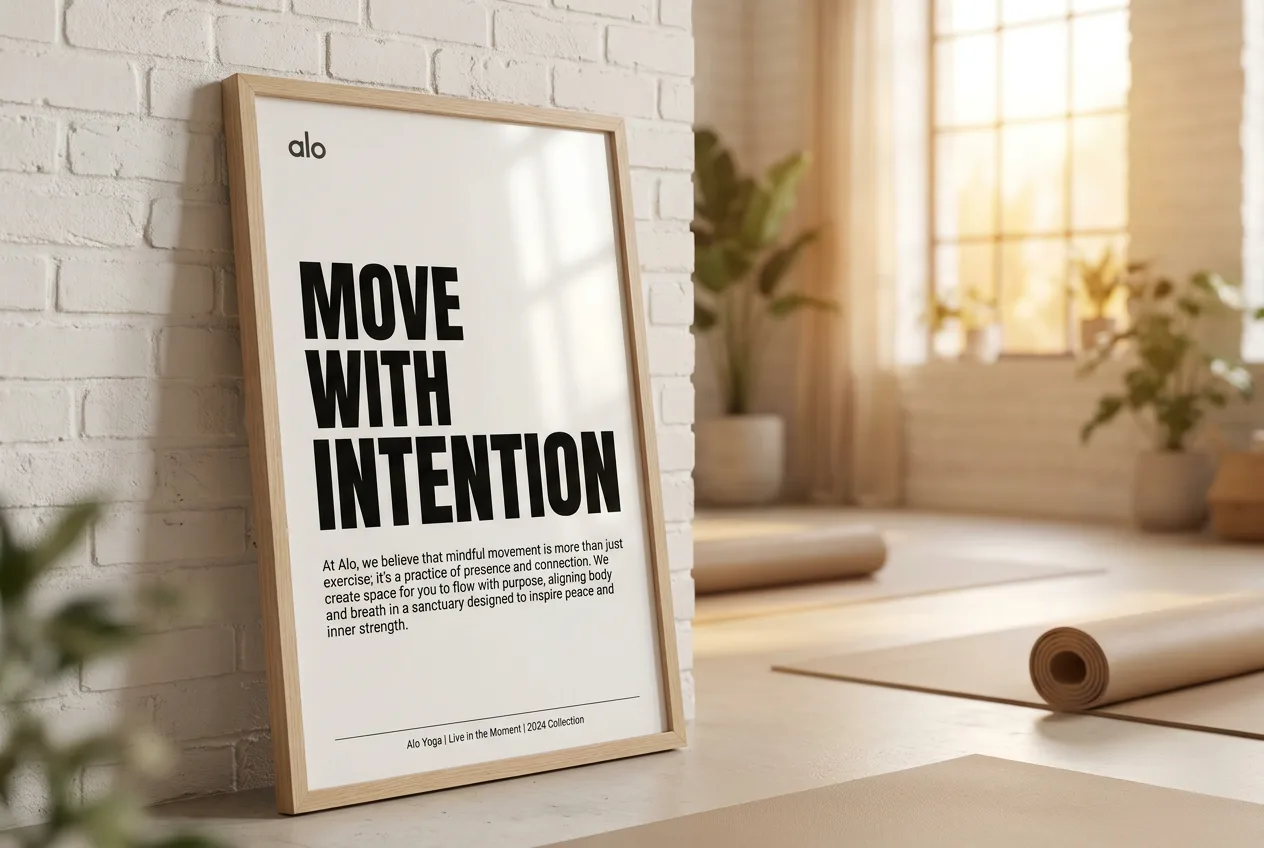
Google calls this its best model for creating images with correctly rendered and legible text — from a tagline to a full paragraph, across languages, with control over font and calligraphic style. DeepMind reports single-line text error rates under 10%. For posters, promo cards and packaging mockups, that's the difference between a usable asset and a re-roll. Long copy and very small type still deserve a proof-read before you ship.
Fourteen images is the total Pro will blend into one composition. Within that, up to 6 can act as high-fidelity object references — your actual SKU, your actual logo — and up to 5 people can carry their likeness through. That's a whole campaign's cast and product set in one generation. Google's own note: consistency here is generally reliable, not perfect every time.
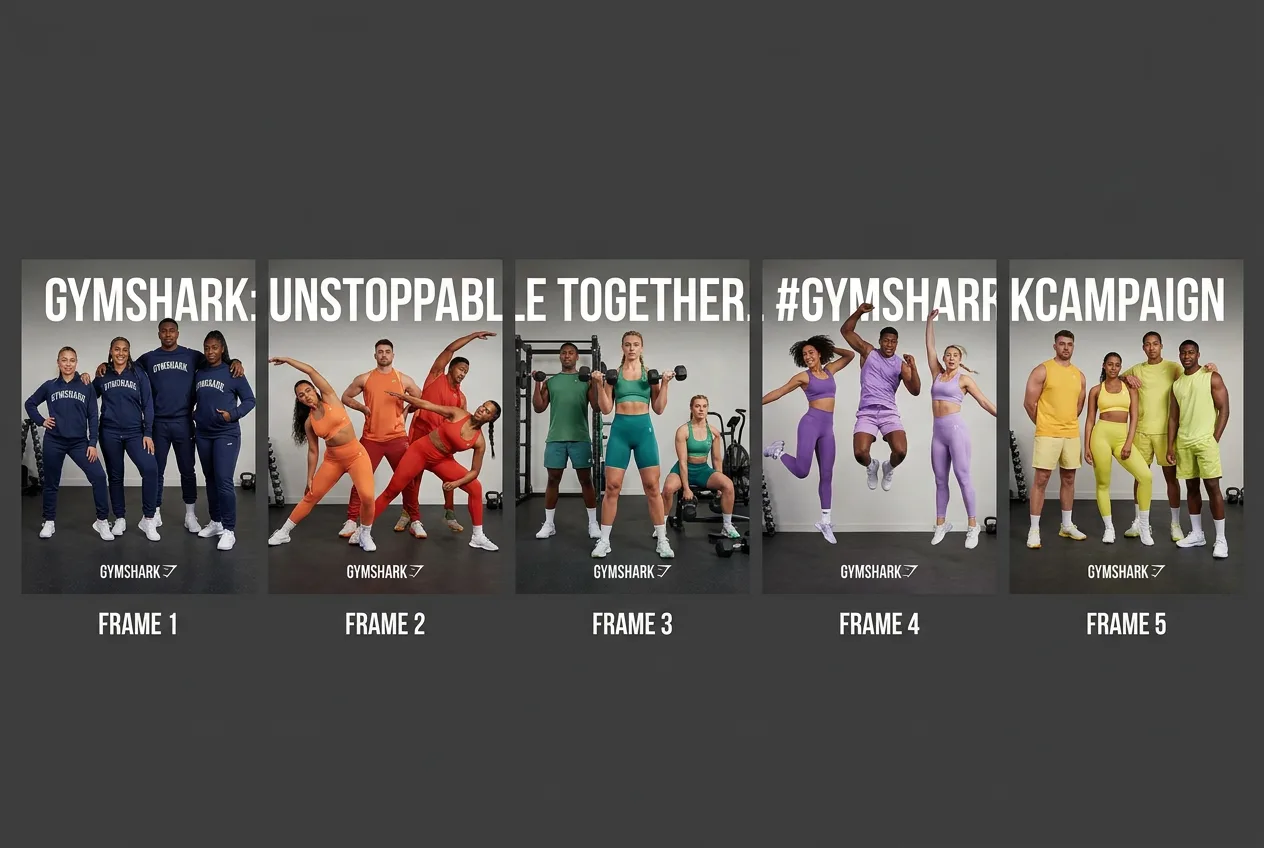
Pro can pull from real-time Google Search while it generates, which is what makes it a candidate for infographics, diagrams and data-driven creative rather than mood pieces alone. Google is candid that factual errors are still possible in data-driven output even with grounding, so treat it as a strong first draft on anything a customer will take as fact.
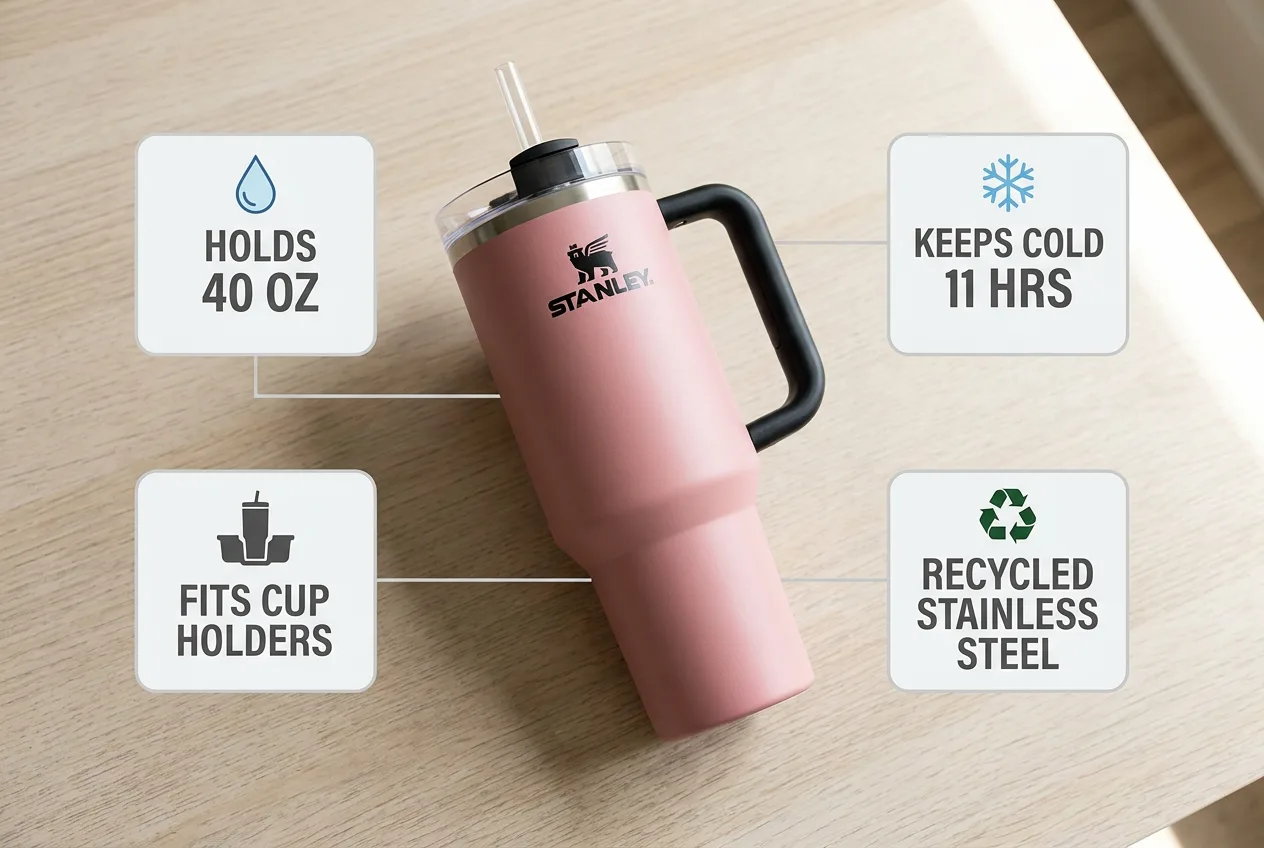
Localized and masked edits let you fix a single element in an approved shot. Beyond that you can direct camera angle, regrade colour, shift lighting from day to night, and set depth of field and bokeh. Google notes masked editing and multi-image blending can sometimes produce visual artifacts — worth a look at full size before the asset goes live.
The jobs where the brief has too many conditions to hand to a faster model.
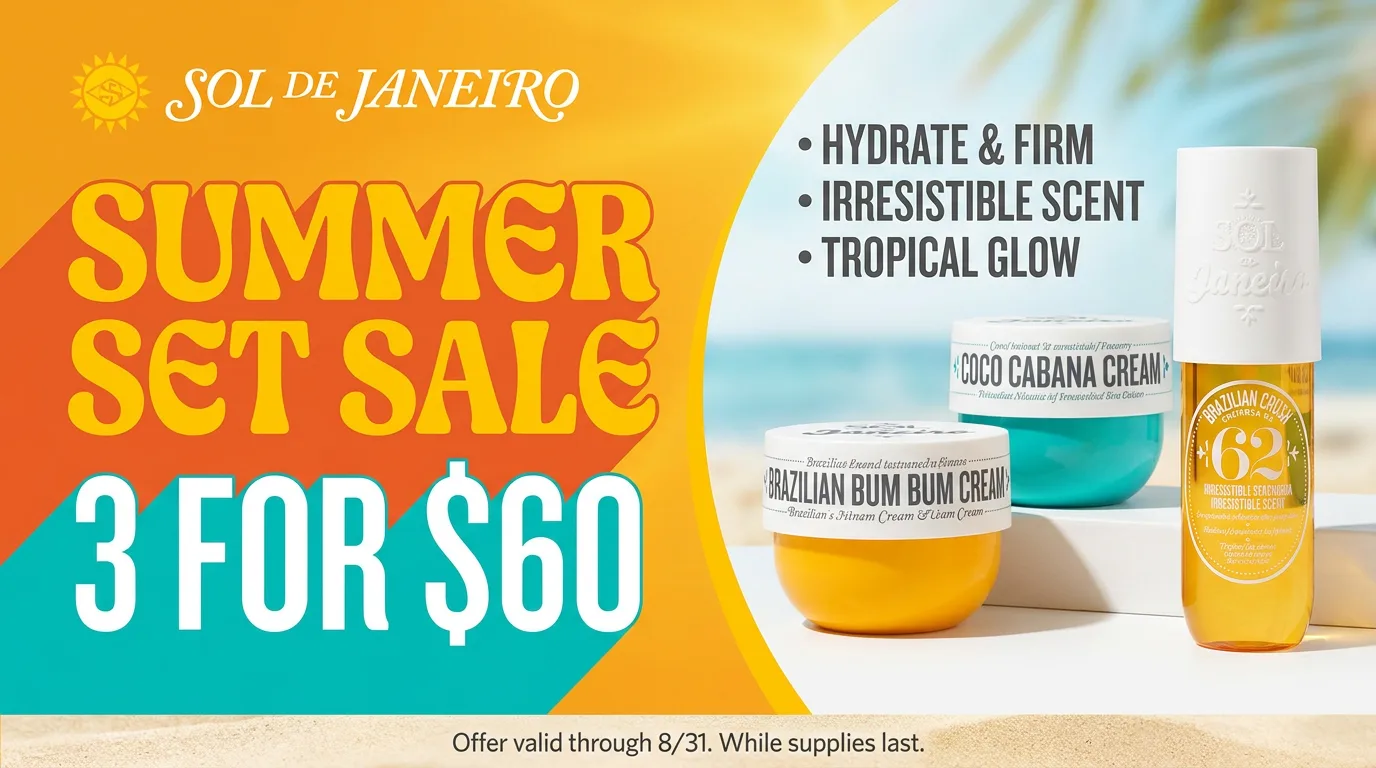
Offer cards, sale posters, event bills — anything where the headline, price and legal line all have to be readable in-image rather than layered on afterwards.
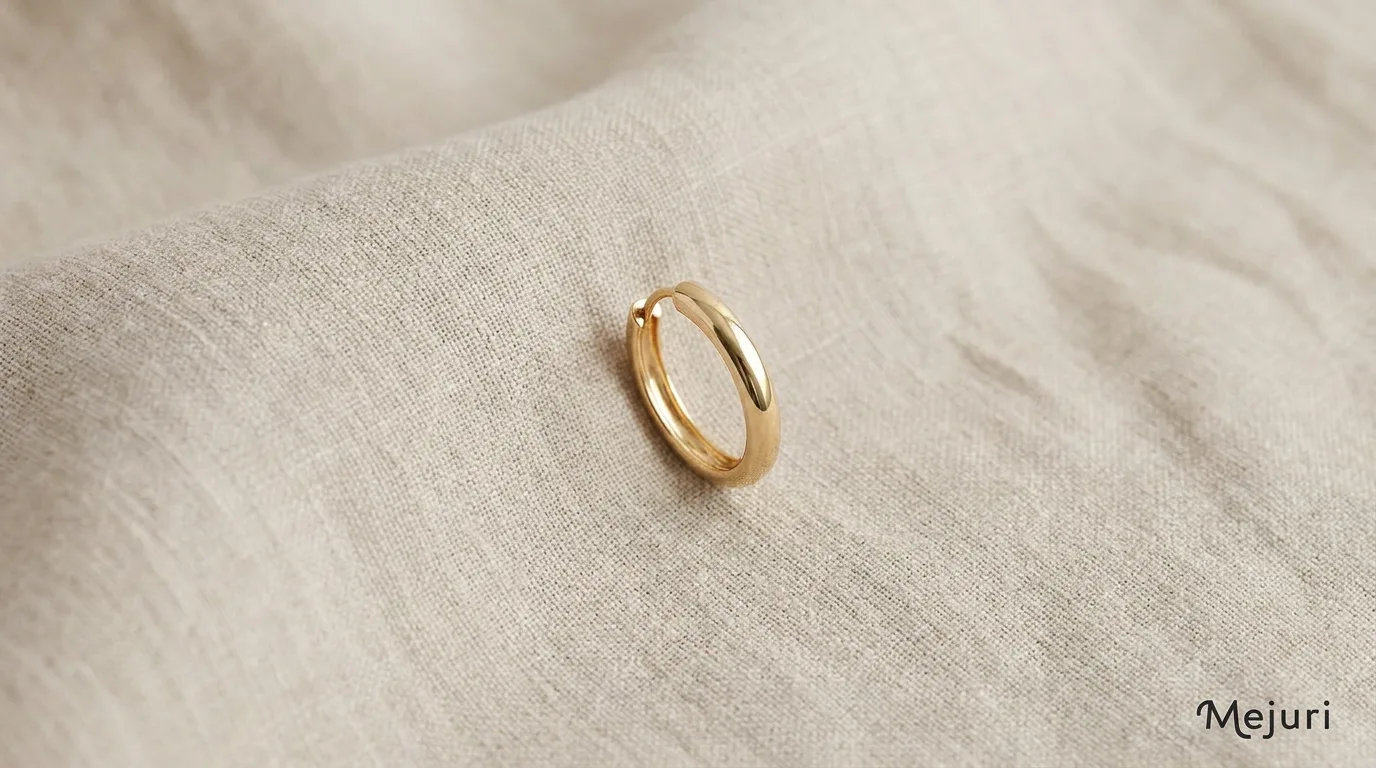
Feed in photos of the actual product and your logo, then place them into a scene and relight it. Google cites logo and product integration for advertisement creation as a use it built Pro for.
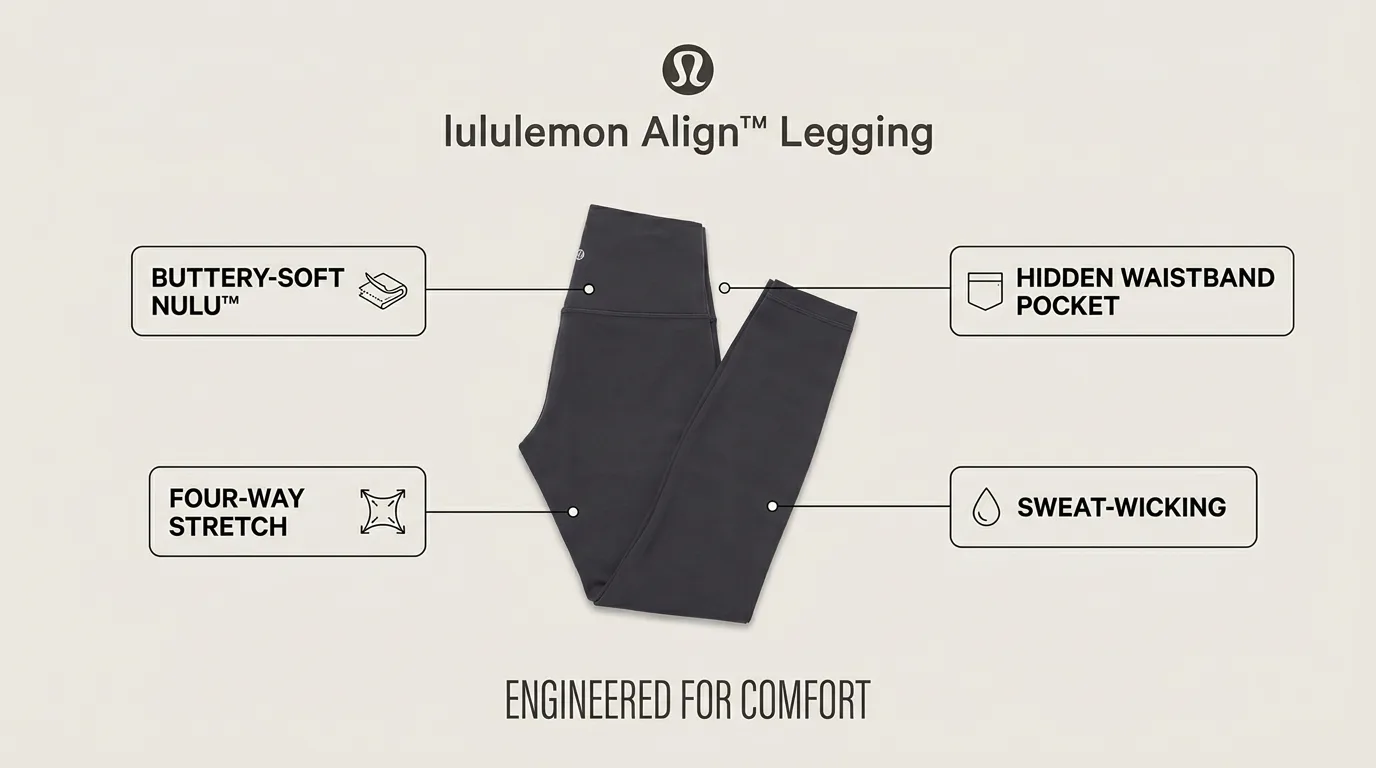
Diagrams, charts and explainers that draw on live Google Search rather than the model's memory alone. Check the numbers before you publish.
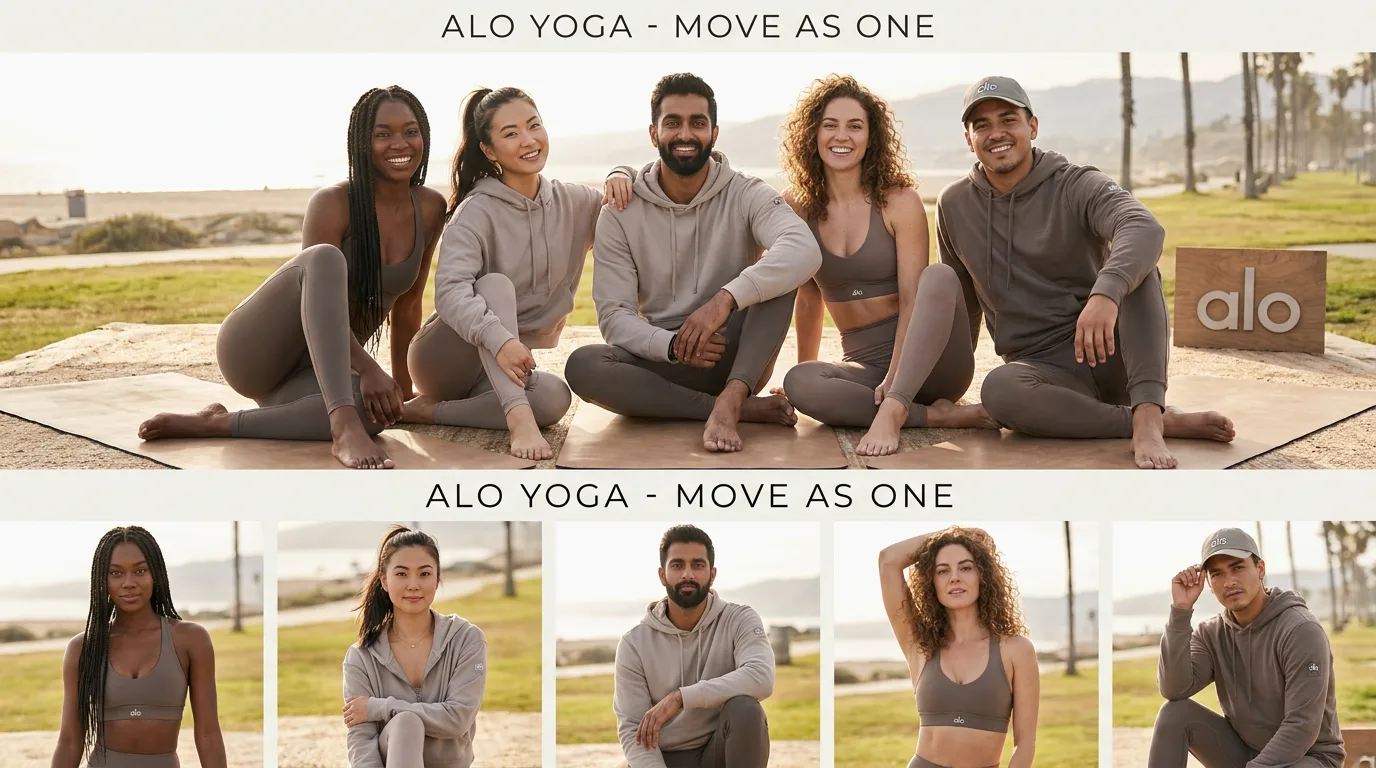
Run the same cast of up to five people and the same product set across a campaign, so your hero image and your retargeting cutdowns look like one shoot.
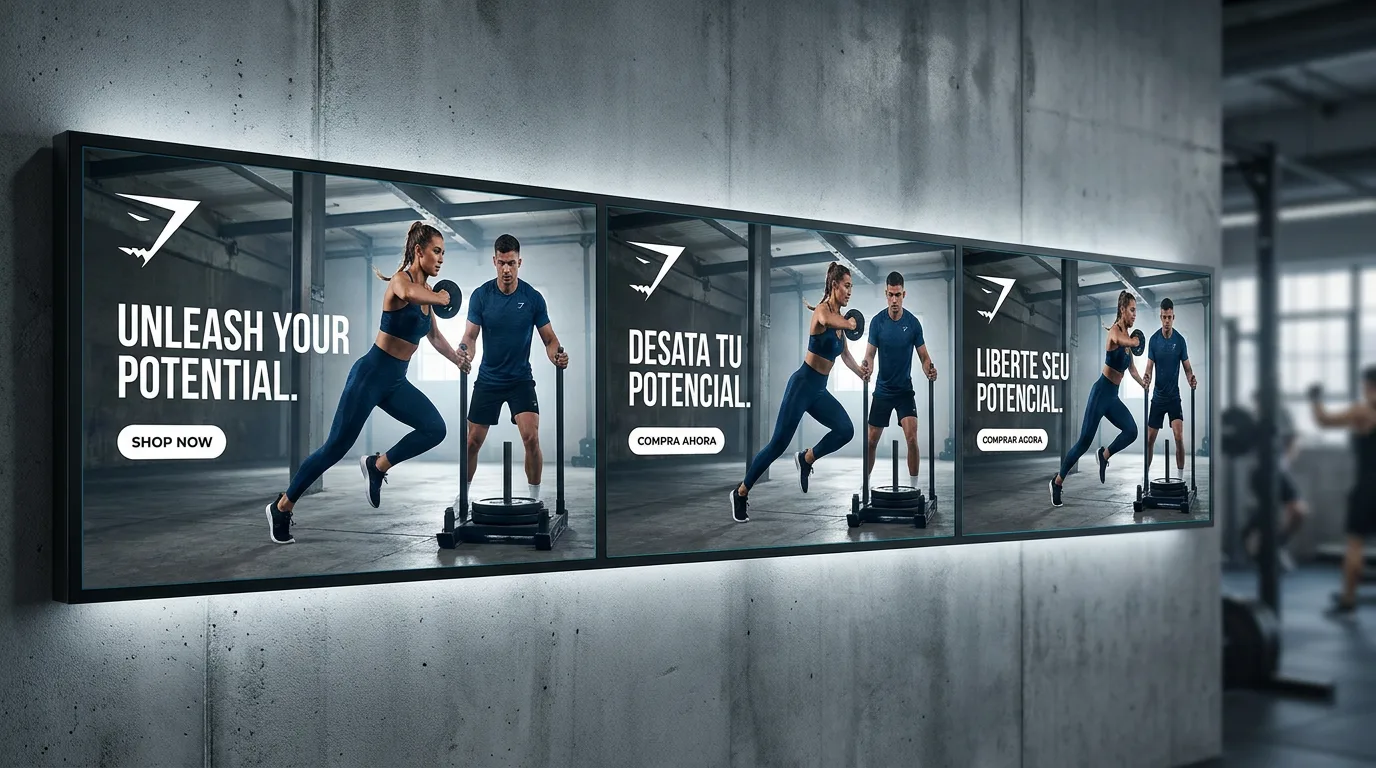
Re-render in-image copy per language instead of rebuilding the layout each time. Google flags translation as imperfect, so route the output past a native speaker before it runs.
Nano Banana Pro is the nickname for Google's Gemini 3 Pro Image model, announced on November 20, 2025 and built on Gemini 3 Pro. It's the premium tier of Google's Nano Banana image family, aimed at prompts with a lot of conditions stacked on top of each other. Google ships it inside Google Ads and Workspace Slides and Vids, which tells you what it was tuned for. On HeyOz it's wired straight into your brand kit and ad formats.
No — "Nano Banana 2 Pro" isn't a product, it's two names run together. The family is a set of siblings: Nano Banana Pro is Gemini 3 Pro Image, and Nano Banana 2 is Gemini 3.1 Flash Image, released February 26, 2026. "Pro" is a tier, not a generation, which is why Nano Banana 2 is the newer model of the two despite the name.
Start with Nano Banana 2 — Google recommends it as the default for most new projects and says it delivers around 95% of Pro's capability at about half the price. Move up to Pro when the prompt is genuinely complex: exact multi-line text, five people to keep consistent, or a factual detail that has to hold. Nano Banana 2 also has things Pro doesn't, including image search grounding, video input, a 512px tier, ultra-wide ratios, and more object reference slots. Our Nano Banana 2 page has the full picture.
1K, 2K and 4K. 1K and 2K are generally available; 4K is still listed as preview, so keep that in mind before you build a production pipeline on it. On Google's own rate card 4K costs less than double the 1K rate, which makes it an inexpensive route to that resolution, and batch jobs run at half price. See our pricing page for what that means on your plan.
16:9 for YouTube and display, 1:1 for feed, plus 4:3, 5:3, 1.85:1, 2.39:1, 2.75:1 and 4:1 for cinematic crops and banners.
Text, images and PDFs, plus real-time Google Search grounding. It generates from scratch and edits existing images, including masked edits on a region you select.
Yes. Google applies SynthID watermarking to all outputs and it isn't optional. It's invisible in normal viewing, but worth knowing about if an ad platform asks you to disclose AI-generated creative.
You can start on HeyOz for free. Pro costs more per image than Nano Banana 2, so check the pricing page before you run a big batch through it.
Pick the right engine for the job — all in one place.
Anyone can give you Nano Banana Pro. Only HeyOz turns it into your ad.
HeyOz reads your brand and keeps every asset on-color, on-voice, on-message.
Seedance, Veo, Kling, GPT Image, and more — no juggling subscriptions.
Sized and formatted for Meta and TikTok, straight out of the box.
Not just a model — templates, avatars, and an agent that does it all.
Start Now. No agency, no brief, no blank screen.